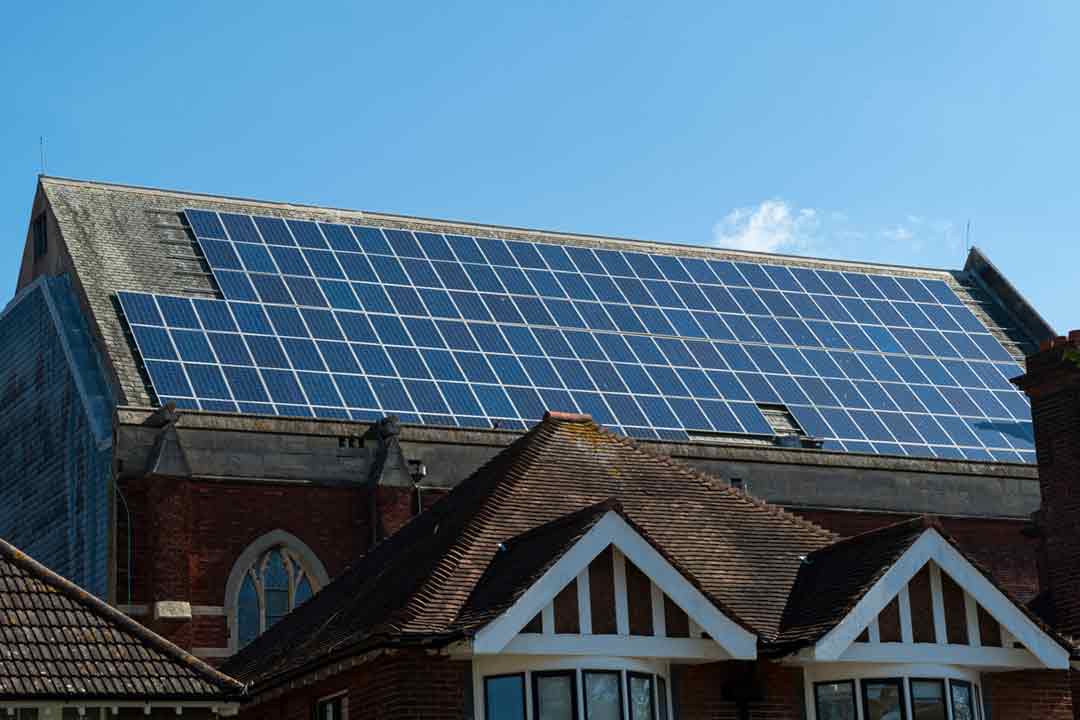
Central to the UK Government’s climate policy agenda is the creation of Great British Energy (GBE), which is set to support the growth of local and community energy through the Local Power Plan (LPP).
The comprehensive spending review reconfirmed that GBE would receive £8.3 billion to scale up investment in renewables across the UK, although the £3.3 billion initially proposed for the Plan has not been recommitted to.
A focus on community energy is welcome as it drives economic and social benefits back into the communities it operates in. Community energy organisations typically reinvest revenue surplus into local initiatives, such as fuel poverty alleviation work and climate education. In 2023 alone, at least £11.7 million was spent locally was spent locally by community energy organisations. Community energy can therefore play a role in securing public buy-in to the net zero transition by making the benefits of decarbonisation tangible for people. It has also been found to increase public support for renewable energy projects when compared with privately owned projects.
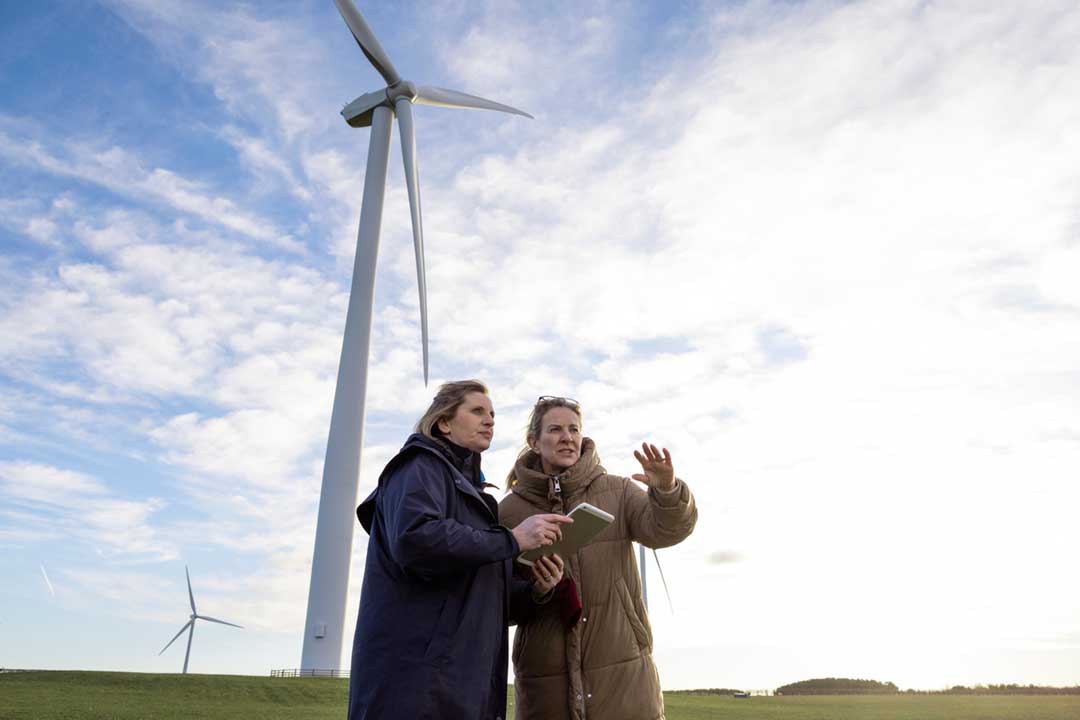
The net zero transition requires the mass rollout of energy efficiency and low carbon technologies, including small scale renewable energy generation and zero emission transport at a local level. Community energy can play an important role here, translating messaging into what resonates with local people and driving action.
The GBE founding statement set a target of delivering 8GW of local and community owned power by collaborating with community energy groups and local and combined authorities. Turning this target into a reality will require a significant scale up of the sector. The GBE Local team is set to focus on funding and finance and capability and capacity building as it develops and implements the Local Power Plan.
However, there is currently little detail on what the Plan’s central policies will be and how the barriers faced by the sector will be addressed in practice.