Multistory, Sandwell, England

This is Real: Sandwell’s next generation is stepping up for the planet

Sandwell’s landscape carries the imprint of its industrial history. Heavy industries dominated the area for generations and left behind polluted land, poor air quality and limited green space. Many young people here still feel the effects. They grow up with fewer chances to connect with nature and less access to opportunities that help them feel heard on issues like climate change. This makes local environmental inequality even harder to solve.

SHAPE, created by Sandwell Council in 2014, gives young people a way to change this picture. It offers real decision‑making power through the Youth Forum, the Our Future conference and the annual SHAPE Summer Festival. The aim is to give young people a place to influence decisions that affect their lives and help them shape a fairer future.

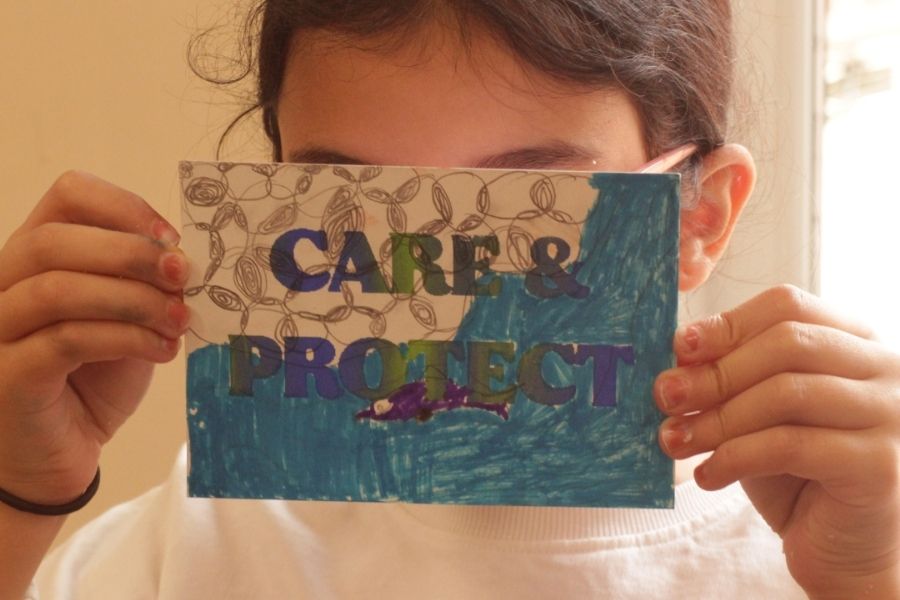
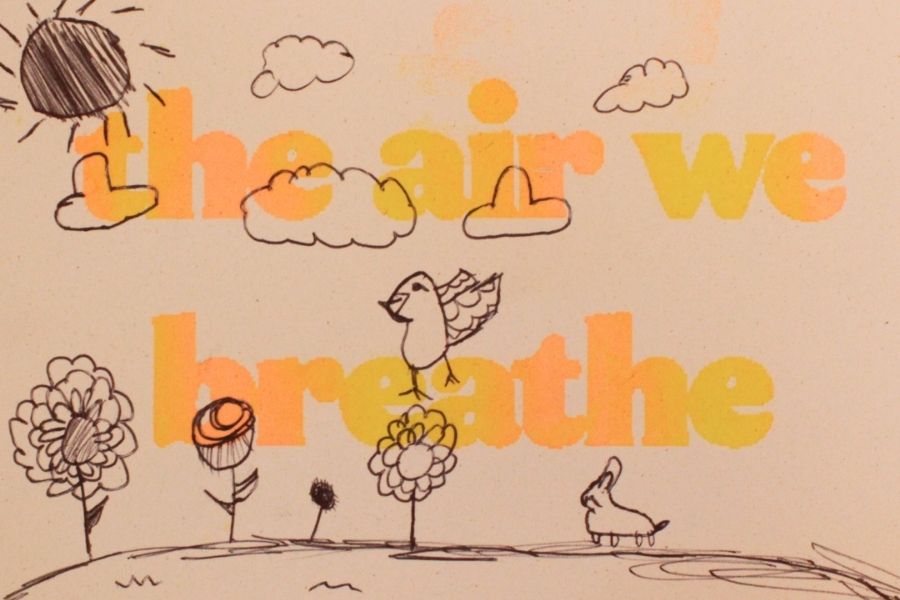
Artwork created by members of Multistory.

Growing up in a place shaped by its past

Multistory, the Sandwell‑based community arts organisation, wanted to deepen this. Their Green Roots programme explores how human and natural systems connect in an urban environment. It invites residents to get involved in creative environmental activities and reconnect with their surroundings. This work includes wildlife walks and community mapping to planting meadows and greening the high street.

The young people of Sandwell sit at the heart of this. Multistory recognised that SHAPE already offered a trusted space for youth leadership, so rather than create something new, they focused on strengthening what already existed.

“It didn’t feel useful to try to start something new when there are so many things happening in Sandwell that we could be supporting and to which we could offer our resources and collaborate with,” says Programme Manager Alice O’Rourke.

This is where our Foundation funding comes in. It allowed Multistory to support young people in Tipton and across Sandwell to “critically and creatively engage with the challenges of climate change”.

You can really see a change in their attitudes and confidence, their ability to just contribute ideas. Alice O'Rourke Programme Manager, Multistory

Creating space for youth power

With our support, Multistory partnered with SHAPE to create This Is Real. This is a long‑term environmental storytelling project led by artist and writer Polarbear (Steven Camden), Alice and SHAPE Project Support Officer Asha Lawrence. The trio work closely with a core group of 13- to 18‑year‑olds from the SHAPE Youth Forum. Their goal is to help young people explore climate change in a way that feels personal, creative and doable.

“My whole approach is about responding,” says Steven. “So meeting a group and saying, what are we into? What could we do?”

Multistory brought in local artists to run hands‑on workshops. These explored climate issues through drawing, manifesto writing, woodwork, cooking and community‑led activities in Tipton and across Sandwell. Through this, the young people learned new skills and gained confidence in using creativity to explore environmental and social issues.

Sessions at the start of the project encouraged experimentation. The group explored how climate language has changed over the years and how environmental messages can often feel overwhelming. They discussed the pressure young people feel to ‘fix’ things and how fear‑based communication often shuts people down.

This led to a key realisation: climate change is long‑term, so their work should be long‑term too. The group didn’t want to create something that appeared for a day and then disappeared. They wanted to build something practical and lasting.

“What became clear, over time, was that everyone was fully capable of doing the ideas they were throwing out,” says Steven. This motivated the group to shift from ideas to action. They wanted to create something useful, shareable and rooted in the realities of daily life in Sandwell.

This became the foundation for a school resource pack and a short film, both designed to inspire everyday climate action in a way that feels accessible and hopeful.

Artwork created by members of Multistory.

Finding their voice through creativity

Through weeks of co‑creation, the young people shaped their vision of what local climate leadership looks like. They wanted to show that change starts small and grows stronger when people work together.

“We know we’re talking about local environmental issues,” says Steven, “but we have carte blanche to see what that means and what we generate.”

The workshops supported this process. Young people explored nature drawing and creative writing. They cooked together. They created slogans and visual artwork. These activities helped them connect environmental issues with their own interests, cultures and lived experiences.

“We had lots of conversations about families, cultures and ethnicities and areas, about people’s relationship to their environment,” Steven says.

The group also worked with artist and storyteller Steven on spoken word, performance and visual art. These sessions helped them explore how storytelling can shift attitudes and inspire action. The young people began to see themselves as creators and leaders, not just participants.

They recognised that creative activities reached people in a way that statistics and lectures often didn’t. This shaped their approach to the resource pack.

“They observed how, when you talk about the environment, so many people’s eyes glaze over because they feel like they’re being lectured,” says Steven.

The group decided to remove numbers, warnings and heavy explanations. Instead, they focused on simple activities that anyone could pick up and try. Each idea encourages action rather than anxiety.

Alongside the resource pack, the group worked on a short film. “The film is intentionally in an accessible, DIY style,” Steven says. “It should be an enjoyable and collective experience to do these things.”

Through both the film and the pack, the group aimed to show that climate action feels real and meaningful when it emerges from community, creativity and care.

What became clear, over time, was that everyone was fully capable of doing the ideas they were throwing out. Steven Camden Artist and writer

Making climate action feel real

The school resource pack includes six activities that teachers, youth workers and community groups can use straight away. They range from creative tasks like photography and writing prompts to community events like “bring a dish” meals or “something green” days. Every idea is simple and practical. The group wanted to make sure no one felt intimidated by environmental action.

“In the resource pack, there are no statistics,” Steven says. “It’s just about the activities you can do that will have a clear effect.”

The young people also worked together on a short film for the SHAPE Youth Festival. The film captures their ideas, artwork and reflections on climate change. They wanted it to feel honest and accessible, something their peers could relate to.

The group decided to focus on “resonance, not volume”. They cared more about making something meaningful than making something big. This sense of purpose strengthened their collaboration.

“One young person will think of an idea and then realise that someone else in the room has a strength that relates to the idea they’ve had,” says Steven. “As an outcome, that’s the most exciting thing because it means that after we do this, it can extend and become bigger and they’ll do more of this work together.”

The meadow they planted became a place to bring these ideas to life. They hope to use it as a space for workshops, community events and live demonstrations of activities from the pack. It represents the long‑term change they’re committed to building.

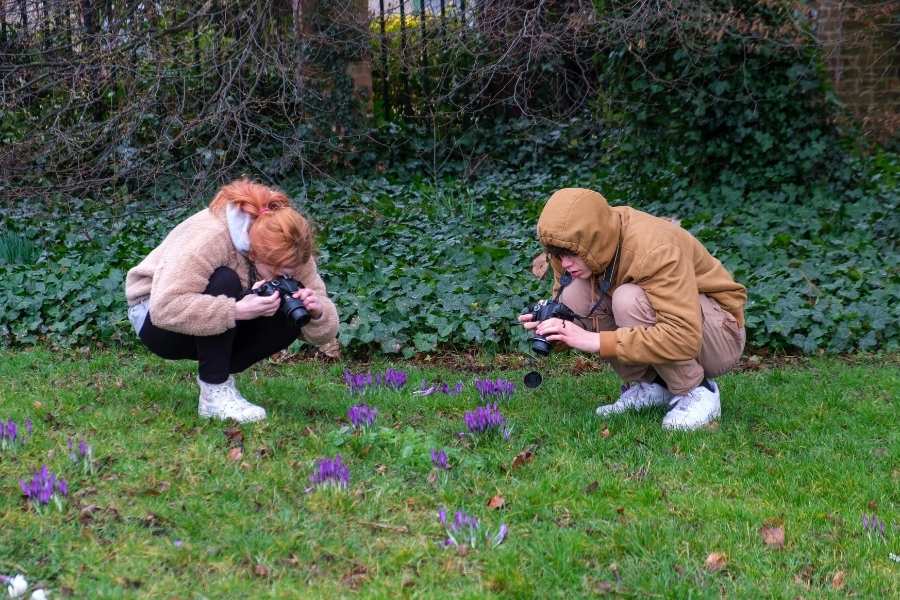
Two members of Multistory taking photographs of flowers.

A new generation of changemakers

The most powerful impact of the project is the shift in the young people themselves. Their confidence grew. Their sense of their own influence strengthened. They saw that their ideas mattered and that they could make a real difference in their community.

“You can really see a change in their attitudes and confidence, their ability to just contribute ideas,” says Alice.

The ripple effect is already visible. Young people have brought friends into the group. They’ve encouraged siblings to get involved. They’ve shared ideas with classmates. They’ve started conversations at home.

“The environmental work becomes part of them,” says Steven. “You see the pride in them going ‘come and check this out’.”

The resource pack and film will continue to live on in schools and youth groups. Others can add to them, adapt them and share them.

“Once those packs and films exist, there’s room for people using them to add their own ideas, for them to spread, be reprinted and just live,” Steven says.

Alice believes the partnership model made this possible. “We’ve got the resources and we’ve got this amazing funding from the Energy Saving Trust Foundation. If we can offer that to an existing group who are doing amazing work, who are making change, why wouldn’t we?”

For Steven, the experience shows what happens when young people have time, trust and the right support. “What you’re seeing is, essentially, evidence of care and respect,” he says.

And for both of them, the project marks the beginning of something bigger.

Learn more about Multistory. You can also connect with Polarbear and find out more about SHAPE.

Get in touch

If you have any questions or would like to discuss supporting the Foundation, please email The Foundation.

Get in touch

Last updated: 3 March 2026