Windswept Watersports and Celtic Deep, Pembrokeshire, Wales

Pembrokeshire’s most disadvantaged young people are forging new futures in the Celtic Sea

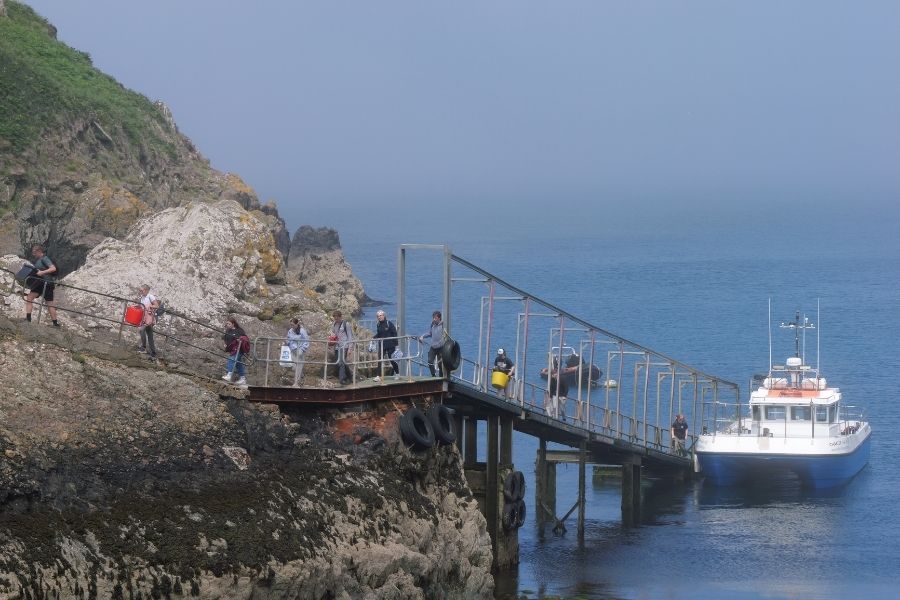
Where the Celtic Sea meets the southwest coast of Wales, the sea has supported Pembrokeshire’s communities for generations. It shapes local culture and livelihoods. But climate change and long term economic pressures strain that balance. Many young people feel they must leave to find steady work.

Local CICs Windswept and Celtic Deep are changing that. They reconnect young people with the sea and open up routes to good jobs.

“Pembrokeshire is on the brink of a renewable energy revolution, particularly in the marine sector” explains Sarah Bagley, Director at Windswept. “Without the right training and qualifications, many promising jobs are slipping through the fingers of local young people and opportunities that could transform their futures are too often being outsourced to workers from outside the area, simply because our own young workforce lacks access to the necessary skills and education.”

Marine Biologist Emma Williams is the Managing Director and Lead Shark Guide at Celtic Deep.

“We’re all about getting people’s faces in the water to see how amazing marine life is around the UK and get that firsthand experience,” explains Emma. “We do low impact marine tourism activities, and we also do outreach work. We go into schools, we do training programmes and we take on two ‘Year in Industry’ students from Swansea University each year.”

Windswept and Celtic Deep logos

A new partnership opening doors to marine careers

Our Foundation funding helped Windswept and Celtic Deep formalise their partnership and scale their impact.

“We need to invest in training and upskilling our young people so that Pembrokeshire can become not just a hub of renewable marine innovation, but a community where homegrown talent leads the way,” she says.

Together, they’ve created a practical outdoor training programme that leads to real jobs in sea based industries.

“Sarah has a lot of experience training up young local people and creating instructors in the watersports industry,” explains Emma. “What she realised is that there are quite deprived areas here but also a lot of invisible jobs. You could be a deckhand or a skipper – a really good career path that takes you all over the world with a low entry point. For people struggling to know what to do, or who struggled at school because it’s a system that doesn’t work for them, they might find they’re really good at practical work out on the water. The idea was to make these jobs more visible to young people.”

There is much to explore beneath the sea’s surface, too, says Emma.

“You get this amazing nutrient upwelling there that brings some plankton, fish and megafauna. I think a lot of people assume that you need to be in South Africa or somewhere else to see that wildlife, but we have it here.”

This sense of wonder helps young people care about what they see. It also helps them picture a future working on the water.

We’ve found that giving people that in‑person, first‑hand experience of the environment builds a connection both personally and professionally. Emma Williams Managing Director, Celtic Deep

Building skills and confidence through real marine experience

The project is participant led and gives each person a clear route into work. Participants gain practical skills and recognised qualifications, including first aid, safeguarding, sea survival, Powerboat Level 2 and Level One freediving.

These skills translate into clear employment opportunities across marine tourism, renewables and local enterprises, explains Emma.

“We’ve found that giving people that in-person, first-hand experience of the environment builds a connection both personally and professionally. They might love seeing the cat sharks, for example, but understand they’re getting impacted by climate change. So, they may want to take steps in their personal life and career to reduce that impact.”

In the UK, Emma says, it’s too easy to miss many of the common effects of climate change.

“One of the things happening here is that the water temperature in the winter isn’t dropping low enough. Some species need it to drop below 9°C to reproduce, and it hasn’t done so for the last two years.”

“First, success will largely be the young people just seeing it through to the end. This is because they’ll have had more exposure and feel more comfortable in the marine environment if they manage to do that. We’re trying to show them that there is a way of working in the environment, whether in conservation or not. But some participants are now pursuing careers in marine biology or as skippers.”

Ethan, a former participant on the programme, now works at Windswept and is gaining further qualifications.

“It’s good fun,” he says. “It’s enjoyable and different. You actually get to get out on the water, get involved, not just sit on a boat and watch.”

Emma says that “when Ethan showed up, he wasn’t forthcoming about getting involved but he was interested, loves being on the boat and chatting to the skippers. The project provided some direction and employment and now he’s working with Windswept a few days a week.

“Even for us, it’s been a good learning curve, doing it with Windswept as well, because they’ve done more of these projects. So, Celtic Deep has learned a lot on how to run a project like this, the flexibility needed, and we definitely want to keep this work going forward.”

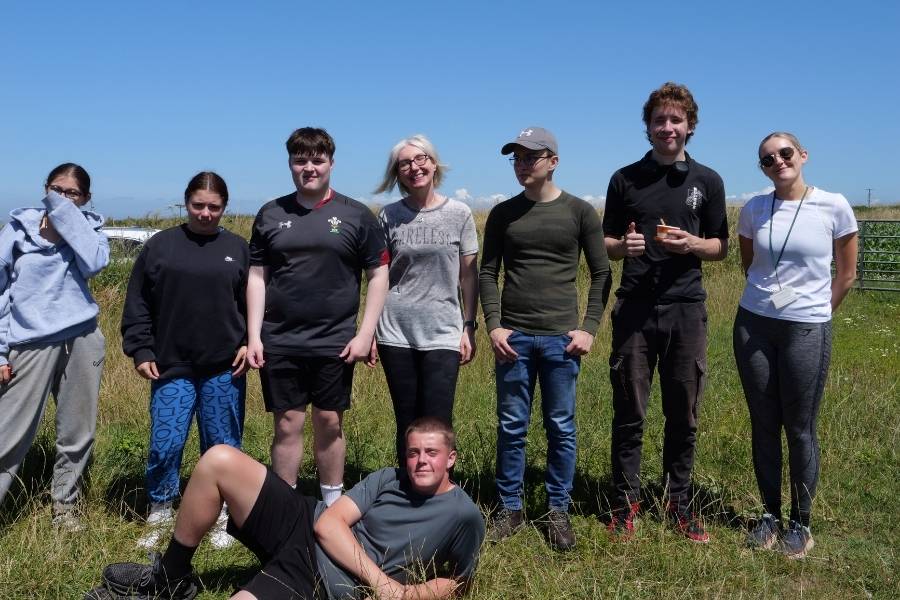
Windswept Watersports team. Used with permission.

Support networks that help young people take part

With environmental anxiety in young people on the rise, this kind of practical, local climate action matters.

“It’s important to raise awareness of the impact of climate change,” says Emma. “But we have to make sure they know there’s positive things happening and it’s not all a disaster, which can totally demotivate you from taking action.”

Recruitment was tough at first. A wider age mix also made logistics harder. Partnering with Futureworks improved signups and attendance.

Keeley, a Training Advisor at Futureworks, accompanies young people who’ve accessed the project through Futureworks’ employability programme.

“We try to look for opportunities that give our young people more experiences that make them more aware of what’s around in their local area,” she says. “It’s been beneficial for our young people because, typically, they wouldn’t have had these experiences otherwise. The most significant change I’ve noticed is their confidence.”

A tactic Emma discovered for ensuring participation was not to disclose the weekly activities.

“Most people, once they’re involved, love what they’re doing. Last year, when we went on a trip to visit some puffins with the group, lots of them were really unsure about it and didn’t want to go in the water. But once they were there, we couldn’t get them out of the water because they absolutely loved it.”

Emma says that Celtic Deep and Windswept have also appreciated the space we’ve given them to learn, particularly in the first year of the project when participant numbers were lower than anticipated.

“I always appreciate that because that’s a brief thing that you can do, and they let you know if they think you’re suitable to apply.”

She says unrestricted funding remains rare, yet essential.

“We need funding for salaries so then you can put things in place that last longer than little projects. For Celtic Deep, for example, we want participants to become real ocean stewards going forward. Whether that’s in their work, in discussions in the park or pub, whether it’s how they vote or shop or make decisions.

“One of the initiatives we run is called Shark Academy for early-career scientists or marine conservationists. This is heavily subsidised or fully funded so we can bridge the gap for people who want to commit their lives to working on conservation fields but can’t afford to go out volunteering.

“We offer just a one-week training programme in shark conservation, but the methods apply to lots of things. It’s a good networking opportunity, it gets people in the water to build skills, it gives them experience to put on their CV and it’s in the UK.”

It goes beyond employment: this is a chance to inspire a generation to take real action against the climate crisis. Sarah Bagley Director, Windswept

The impact: new skills, new careers and new environmental stewards

“I studied marine biology in the UK, and they never used to take us in the water,” recalls Emma. “So, I went and worked abroad for years and, when Covid hit, I started working in the UK. There’s amazing life here. I just had no idea, and I even studied it! You think, ‘I’ll go and save a species somewhere else’. But we have loads of endangered species and environments here.

“It goes beyond employment: this is a chance to inspire a generation to take real action against the climate crisis,” adds Sarah. “Training local youth in marine renewables empowers them to be part of the solution and shape a greener future for Pembrokeshire and beyond. We know that with the right support, we can ensure that the wave of green energy lifts everyone starting with those closest to home.”

Windswept Watersports team. Used with permission.

Get in touch

If you have any questions or would like to discuss supporting the Foundation, please email The Foundation.

Get in touch

Last updated: 3 March 2026