Energy at home

Energy performance certificates (EPCs) explained

An EPC rates your home’s energy efficiency and highlights improvements that can reduce energy use.

At a glance

  • An Energy Performance Certificate (EPC) shows how energy efficient a property is, using a rating from A (most efficient) to G (least efficient).
  • EPCs are legally required when selling, renting or building a home, and include recommendations to improve energy efficiency.
  • Making improvements suggested in an EPC can help cut your energy bills, improve comfort and reduce your carbon footprint.

What are energy performance certificates?

Energy performance certificates (EPCs) tell you how energy efficient a building is. They are different from energy ratings, which are the multi-coloured labels you find on new home appliances.

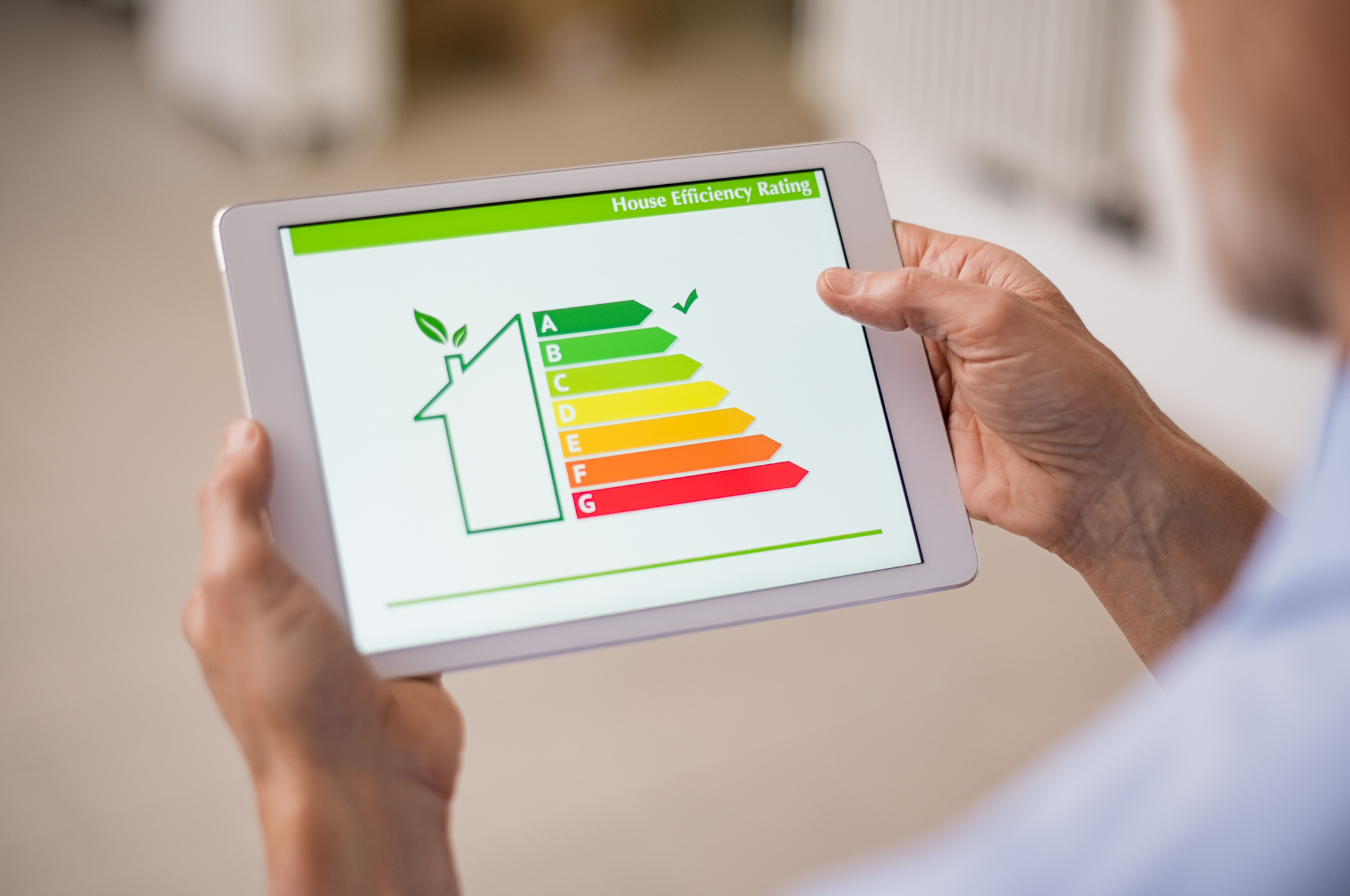
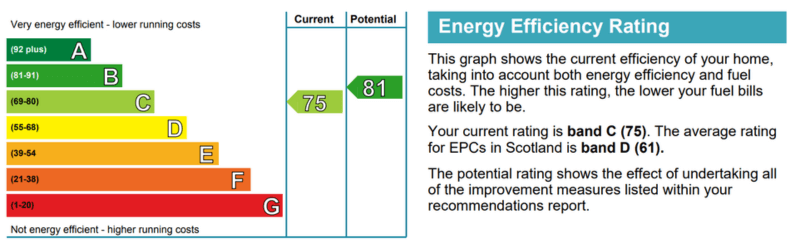
EPCs rate a home from A (very efficient) to G (inefficient). They’ll tell you how costly it will be to heat and light your property, and what its CO2 emissions are likely to be.

An EPC includes:

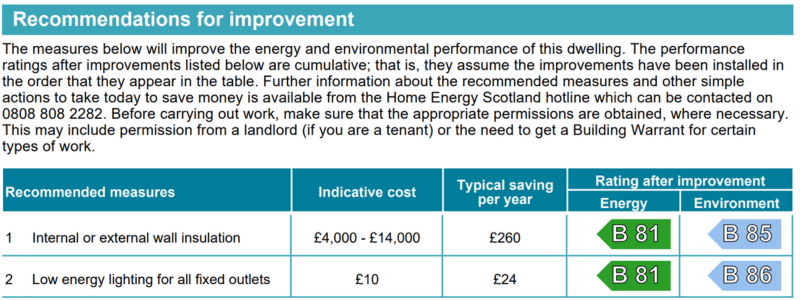
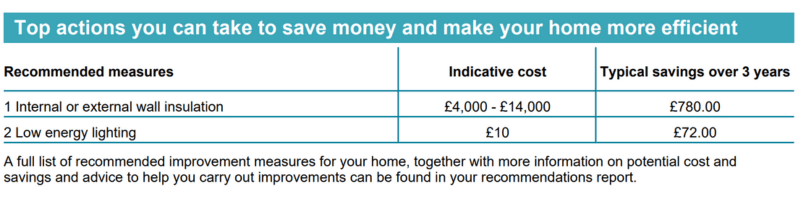
  • cost effective ways to improve your EPC rating
  • information on what the energy efficiency rating could be if you made the recommended improvements

Even if you rent your home, you could still implement some improvements noted on the EPC, such as switching to more energy efficient light bulbs.

EPCs are valid for 10 years from the date of issue.

Why should I get an energy performance certificate?

An EPC helps you understand the energy performance of your home. It can identify areas for improvement which could save you money on your bills and reduce CO2 emissions.

If you’re looking to sell or rent out your home, you need an EPC before it goes on the market. You must get an approved domestic energy assessor to produce the EPC.

If you’re looking for a property to buy or rent a property, the EPC rating lets you compare the energy efficiency of different properties easily. Properties in Scotland must display its EPC rating, for example, near the boiler or meter cupboard. 

The EPC also gives recommendations to improve your EPC rating. If you do make any energy efficiency recommendations outlined in your EPC, you may want to get a new EPC to reflect this.


What can I expect to see on my energy performance certificate?

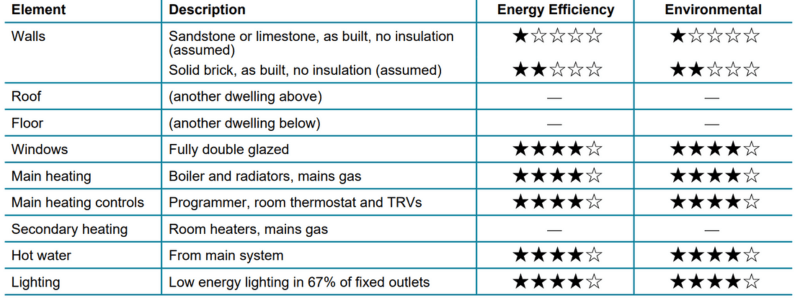
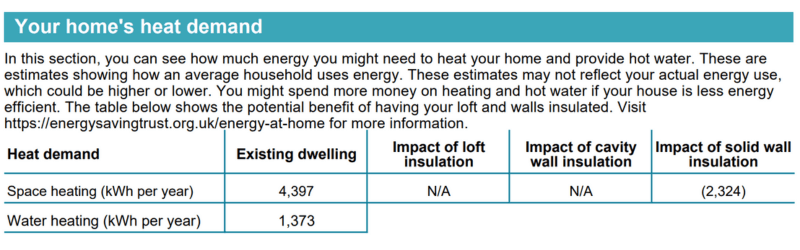
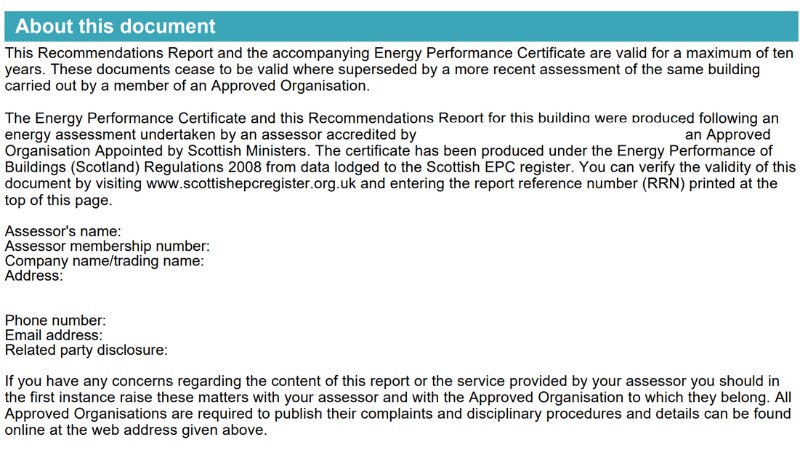
It’s worth noting that not all EPCs look the same. In this guide, we use a 2023 certificate from Scotland as an example. Older certificates will have most of this information, although it may look a bit different and may be in a different order.

Energy certificates from England, Wales and Northern Ireland may also look a little different. But the sections and information covered should be identical.

How do I get an energy performance certificate?

To get an EPC, you need to speak to a qualified home assessor. This depends on where you live.

England, Wales and Northern Ireland

In England, Wales and Northern Ireland, only accredited domestic energy assessors can produce valid EPCs. You’ll need one of these assessors to produce an EPC certificate for you. Visit the GOV.UK website to find an assessor.

If you’re selling or renting your home through an estate agent, they may be able to arrange for the EPC to be completed for you.

Scotland

In Scotland, only organisations approved by the Scottish Government can produce valid EPCs. You’ll need one of these organisations to produce an EPC certificate for you.

If you’re selling your home through a selling agent, you should ask them to arrange for a Home Report to be made. This report includes an energy report and EPC.

Energy reports can only be produced by chartered surveyors registered with RICS.

How much does an energy performance certificate cost?

According to Checkatrade, getting an EPC certificate generally costs between £65-£120 (accurate as of November 2025). Remember that if you’re selling or renting out your home, you need an EPC otherwise you may be issued with a fixed penalty charge of £200.

How much an EPC costs can depend on:

  • the type of house you live in
  • the size of your house
  • the number of bedrooms
  • where you live

Assessors may have different fees too, so it’s worth getting a number of quotes from an accredited assessor or organisation to find the best deal.

Subscribe and get more energy efficiency tips

Want more energy saving advice delivered straight to your inbox? Sign up for Energywire, our monthly newsletter full of news, advice and tips on energy saving and renewable energy options.

Sign up to our newsletter

Latest blogs

Go to blog

Moving house energy checklist

1 May 2026

You should give your energy supplier at least 48 hours’ notice before you move. We walk you through what to do before…

Retrofit explained

3 February 2026

We talk about what the term ‘retrofit’ means, why UK homes need it and how you can start your retrofit journey.

What is the average UK energy bill?

23 January 2026

We look at the average UK energy bill for gas, electricity and oil, and also look at what makes up your energy…

Last updated: 8 May 2026