Blog Post 5 November 2026

Spray foam insulation explained

Andrew Northcott
Reviewed by
Andrew Northcott
Knowledge Manager

At a glance

  • Spray foam insulation can help reduce heat loss, but it’s not suitable for every home and it can cause problems if not installed correctly.
  • Having spray foam insulation doesn’t automatically prevent you from getting a mortgage, but some lenders may ask for extra checks.
  • If you already have spray foam insulation, don’t assume it needs to be removed. Get independent advice from an experienced surveyor first.

You might have heard news stories about insulation projects going wrong. Often these stories are about spray foam insulation. 

Our energy experts explore some of those spray foam headlines and dig into what you need to know about this material. 

The Royal Institute of Chartered Surveyors (RICS) lists spray foam as a significant modification to the home. Before installing, it’s important to understand the potential impact it might have. 

Beware of cold callers

Be cautious of anyone who contacts you unexpectedly and tells you that you must get spray foam insulation installed or removed. 

We always recommend you get independent advice from a qualified surveyor before agreeing to any work. 

If someone cold calls you, don’t feel pressured to make a decision. Get independent advice and compare recommendations from at least three different installers. 

For more information, visit our guide to energy scams. 

What is spray foam insulation?

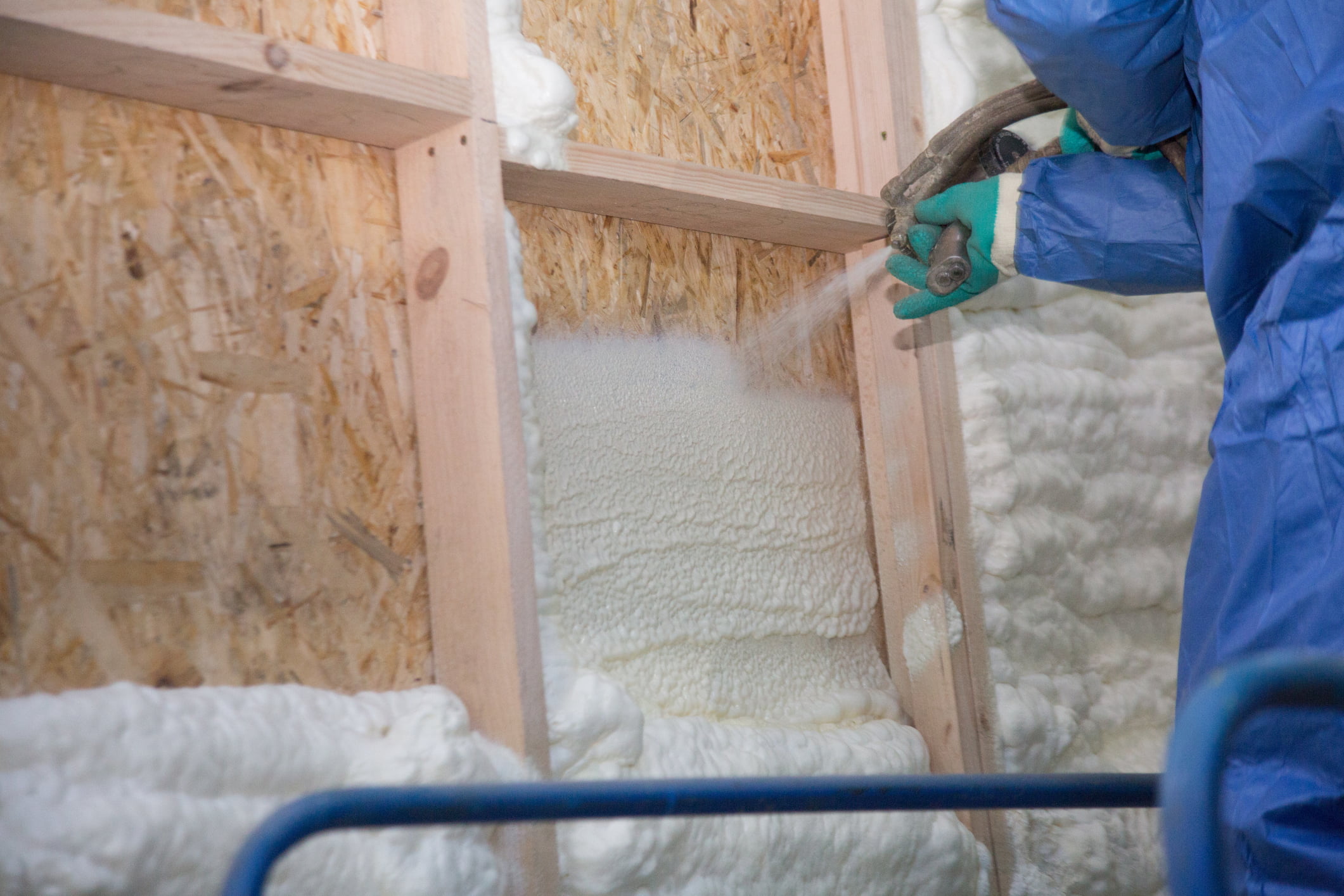
Spray foam insulation is a type of insulation that’s sprayed into place as a liquid foam. The foam expands and sets, forming an insulating layer. You might also see it called polyurethane foam.  

As it’s a liquid, installers can apply spray foam quickly. They can also apply it in tricky areas that may be more complicated and time consuming than if you were to use solid insulation materials. 

Spray foam insulation is sometimes used to insulate: 

  • roofs 
  • walls 
  • floors 

There are two main types of spray foam insulation: closed-cell and open-cell. 

Closed-cell spray foam

Closed-cell spray foam is one of the most effective insulation materials commonly used in homes. It sets solidly and has lots of gas pockets that can slow the escaping heat. It can also help support the structure of the insulation area. 

Its main drawback is that it doesn’t let moisture pass through it easily. That means that any moisture in the surrounding air or other building materials can’t travel through closed-cell foam insulation to escape. 

Open-cell spray foam insulation

This type of spray foam is better at letting moisture pass through it, which is generally a good thing. It’s also lighter and more flexible, but it’s a less effective insulator. This means you’ll need to use a thicker layer than closed-cell foam to get the same insulating effect. 

Where can I use spray foam insulation?

Spray foam can be used in various parts of the home: 

Roofs

If your home has a pitched roof with an uninsulated loft, foam is sometimes sprayed onto the underside of the sloping roof. This is one alternative to laying mineral wall insulation at joist level (or what you might call the horizontal ‘floor’ of the loft). 

Walls

Foam is sometimes sprayed into empty cavity walls, usually when cavity wall insulation may not be suitable. 

Floors

Foam can be sprayed to the underside of a suspended timber floor, often using a robot to access the underfloor space. This is a less disruptive alternative to lifting the floorboards and fitting insulation material from above.

A technician spraying spray foam insulation on to a wall.

What are the risks with spray foam insulation?

Largely, the risks with spray foam depend on the quality and location of the installation. For example, poorly-installed spray foam insulation increases the risk of condensation and damp. 

Also, spraying foam directly to the underside of an old and poorly maintained roof is one of the highest risk insulation options. Meanwhile, insulating at joist level with mineral wool, which is one of the lowest risk options for insulating the loft (if you have that option). 

It’s also important to remember that spray foam can be difficult to remove once installed. If you decide to remove it later, you might also need to replace the structure it was applied to. 

Whatever options you’re considering, you can help to minimise risk by: 

  • Getting multiple quotes from accredited installers (such as TrustMark-registered companies). 
  • Looking for genuine customer reviews and ratings. 
  • Making sure your property is well maintained – especially the roof, gutters, downpipes and drains. 

Do some research so you understand your options, rather than relying on advice from a single company, especially if they approached you first. 

What are my options if I want to insulate my home?

Insulating a loft or roof

If you want to insulate your loft or roof, consider all the alternatives, including: 

  • Standard loft insulation with mineral wool (which is the cheapest, easiest and most efficient choice for most people). 
  • Dry lining the sloping roof if you want to turn your loft into a heated space. 

If you’re considering spray foam for your roof, read this guide from The Royal Institution of Chartered Surveyors (RICS). This offers advice about spray foam and what you should consider, helping you make an informed decision.

The Health and Safety Executive has also investigated issues that may occur when spray foam insulation is applied to timber roofs. 

Insulating a cavity wall

If you’re looking to have cavity wall insulation installed, then for most homes polystyrene bead insulation is the most suitable type of insulation specified by installers. 

Occasionally, spray foam might be more suited to your property and your installer should advise. 

Insulating a suspended floor

If it’s a suspended floor you’re looking to insulate, and you haven’t got a cellar underneath to give you easy access, then an installer can either: 

  • Lift the carpet and floorboards and then apply insulation and refit the floorboards. 
  • Pay for a company to use a robot to spray foam from the void below the floor. 

Find out what type of floor you have and how to insulate it. 

A spray foam gun with some foam on the nozzle.

I already have spray foam insulation. Should I remove it?

Not necessarily. If you already have spray foam insulation, don’t assume you have to remove it. 

The UK Government recommends that you speak to a specialist surveyor first. They can look at your home and assess whether the spray foam insulation is causing any issues. 

Removing spray foam insulation can cause further damage if it’s not done correctly. 

If you had spray foam insulation installed since 2020, use the TrustMark dispute process. For more information, visit the UK Government website. 

Common questions about spray foam insulation

Get energy saving tips straight to your inbox

Sign up for, our newsletter – Energywire – to get the latest energy tips, news and more.

Last updated: 5 November 2026