Both home insulation and draught proofing are designed to make the house more ‘airtight’. This means that it’s harder for heat to escape the building, and stops unwanted air coming in.
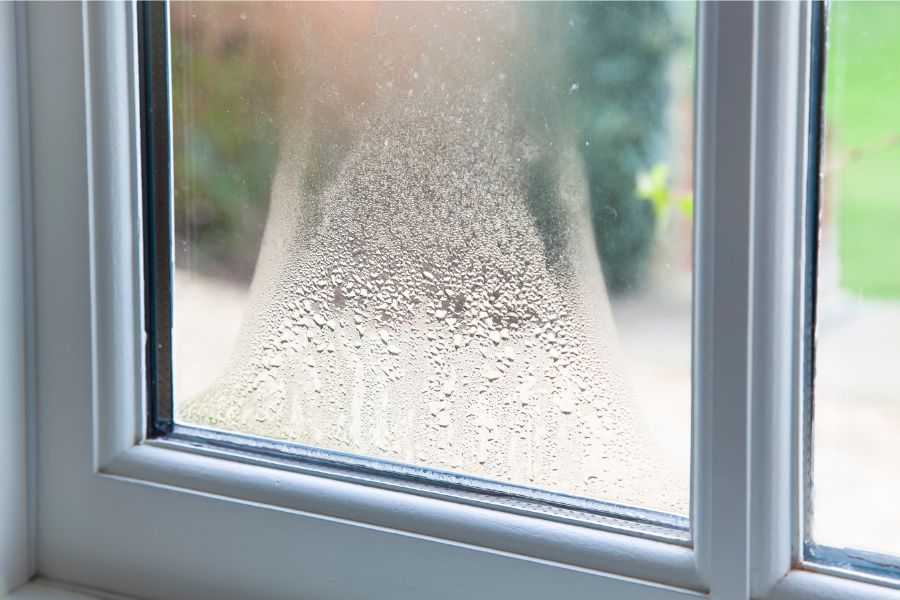
Draughts may bring cold air through gaps and cracks in the walls, floors, around older doors and windows. But many homes are already fairly well draught proofed. In this case, trying to ‘plug every gap’ may actually lead to poor air quality where moisture and indoor pollutants could rise to harmful levels.
Draughts often make you feel cold because they often bring cold air in at floor level. Ventilation, however, is designed to avoid this by bringing in air at higher levels. This is why trickle vents are usually at the top of windows. Good ventilation will distribute fresh air around the house, improving air quality throughout and avoiding causing a cold draught around your feet.
So insulation or draught proofing improvements need to be accompanied with proper ventilation to make sure that fresh air can come into the house.
When installing any kind of insulation or draught proofing, speak to the installer about what ventilation measures they’re considering as part of the design.