You can save money outdoors in summer by choosing the right fuel type for your appliance and following our easy tips.
Electric BBQs are cheaper to run than gas and charcoal BBQs. Electric and gas BBQs are also cleaner to use by not producing so many harmful pollutants that charcoal does.
Electric patio heaters are cheaper to run than gas heaters or fire pits. Hot tubs can cost between £2 and £8 per use, but you can save money by choosing a smaller, well insulated model.
Whether you’re hosting a BBQ get-together or tending to your garden, we’ve got some tips on how you can save energy outdoors this summer.
Summer sales at your local garden centre will likely tempt you with new appliances like patio heaters and hot tubs. But it’s important to know how much these appliances will cost to run, even if you’re only using them while the weather is nice.
Our energy experts share their tips on how much BBQs, patio heaters and hot tubs cost to run and how to save energy in summer.
How much do BBQs cost to run?
How much a BBQ costs to run depends on what BBQ fuel you use. Electric BBQs are cheaper than charcoal and gas BBQs.
Tempted by a new BBQ this summer? It’s worth comparing how much they cost to run depending on their fuel source and whether you’re in Great Britain (GB) or Northern Ireland (NI). Here are the running costs for electric, charcoal and gas BBQs.
BBQ type
Cost per use (GB)*
Cost per use (NI)*
Electric
£1.10
£1.30
Charcoal
£1.40
£1.40
Gas
£2.70
£2.70
*Based on July 2026 energy prices for GB and June 2026 prices for NI, using a 40-50cm wide grill, cooking for two people, for two hours.
Gas BBQs cost double or triple to run compared to other BBQ types. This means any savings you might get in the summer sales could be wiped out after a few uses.
Electric or gas BBQs emit less harmful pollutants into the air that charcoal too.
How can I save energy while having a BBQ?
Keep your grill closed while cooking to retain heat.
Cook your food with a more energy-efficient appliance like an oven and finish it off on the BBQ to get that smoky flavour.
Clean your BBQ regularly so it doesn’t have to work as hard to cook your food.
Batch cook your food to make as much use of the heat as you can.
How much do patio heaters cost to run?
How much a patio heater costs to run depends on the type you have. An electric patio heater is cheaper to run than a fire pit or gas heater.
You might spend the days trying to stay cool in summer, but the evenings can still turn chilly. So, if you’re not ready to call time on your summer party, you may be tempted to get a patio heater to keep things cosy.
Here are the running costs for different types of patio heater:
Patio heater type
Cost per use (GB)*
Cost per use (NI)*
Electric
£3.10
£3.60
Fire pit
£6.20
£6.20
Gas
£9.30
£9.30
*Based on July 2026 energy prices for GB and June 2026 prices for NI, covering 20m2, running for two hours.
Many electric patio heaters use infrared heating. These work by directing heat at objects and people rather than warming up the surrounding air. This should help warm you and your guests faster and with less energy wasted.
How can I save energy when using a patio heater?
Think about whether you really need one in the first place. Some patio heaters aren’t efficient as they warm the outdoor air, which dissipates quickly.
Put on another layer or grab a blanket. Hotter summer days come with warmer summer nights, so it might not take that much to make you feel cosy in the evening.
If your outdoor space catches the breeze, consider installing decorative panels to shield yourself from chilly winds.
How much do hot tubs cost to run?
A hot tub will typically cost between £2 and £8 per use, depending on:
how big it is
how well insulated it is
how exposed it is
what temperature you set it to
You often see on news websites that retailers offer big discounts on inflatable hot tubs, which sell out in minutes.
Think carefully before you buy, as there are a range of factors that have a sizable impact on a hot tub’s running costs.
How can I save energy when using a hot tub?
Choose a smaller hot tub, which doesn’t need as much energy to heat up.
Look for hard-shell hot tubs, which are better insulated than inflatable ones.
Use a high quality, insulated cover when not in use.
Position your hot tub somewhere sheltered to protect it from wind and cold weather. This ensures the hot tub doesn’t need to work so hard to heat up.
Find the lowest comfortable temperature for your hot tub. Even turning it down by one degree can make a difference to your energy use.
Use eco-mode if your hot tub has one.
How can I save water in the garden?
If your summer activities involve tending to your garden, we’ve got some tips on how to save water. This will be extra useful if the summer heat causes hosepipe bans in certain areas.
If you’re able to use a hosepipe, consider using a hose attachment to save 1,500 litres of water per year. This is the equivalent of 27 baths full of water.
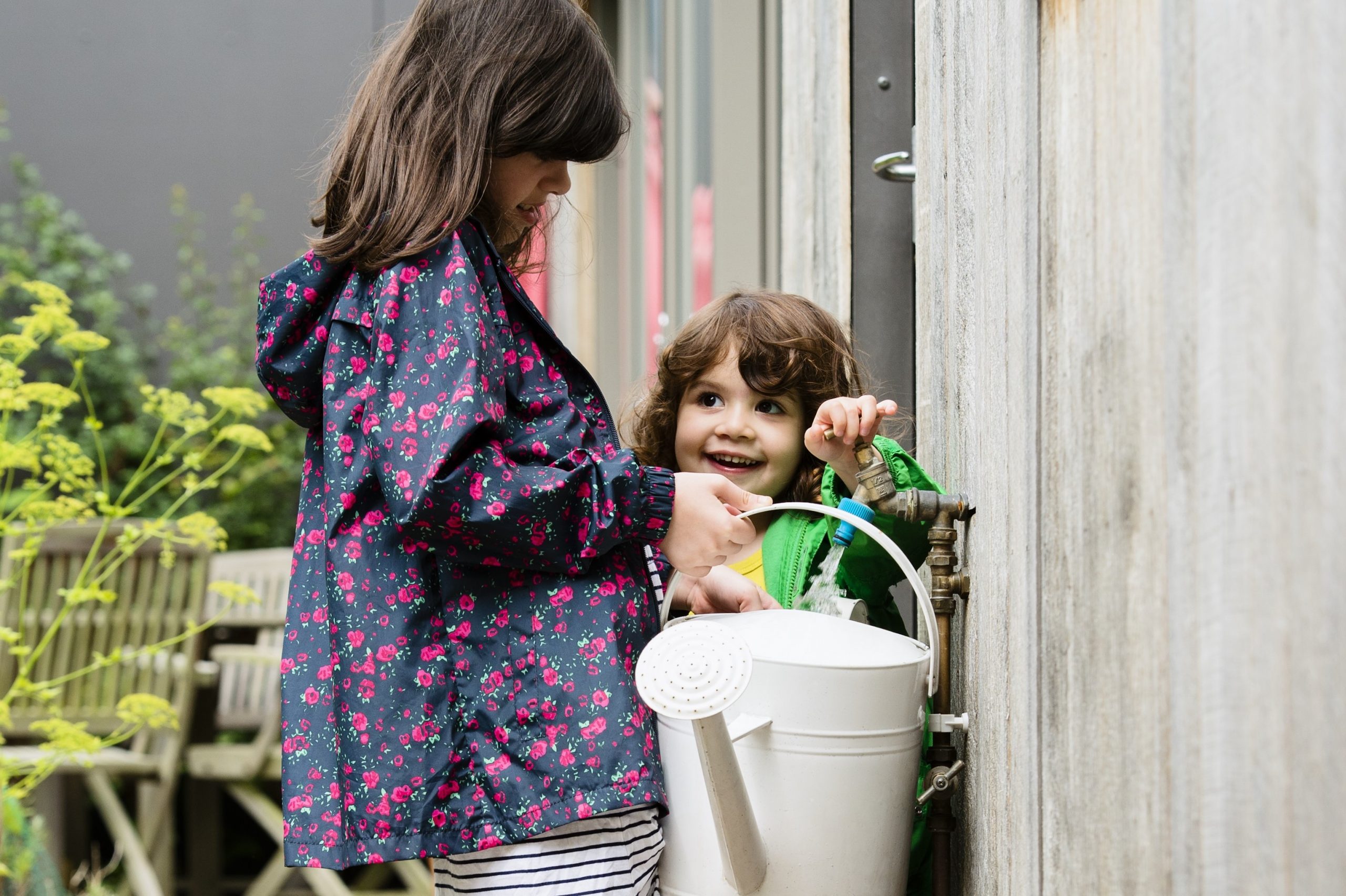
Better yet, ditch the hosepipe and use a watering can instead. This will save you an extra 2,200 litres of water per year. That’s an extra 40 baths each year.
The best option to save water is a water butt that collects rainwater. You can then use this to fill the watering can instead of the tap. This saves you an additional 1,100 litres of water – another 20 baths’ worth.