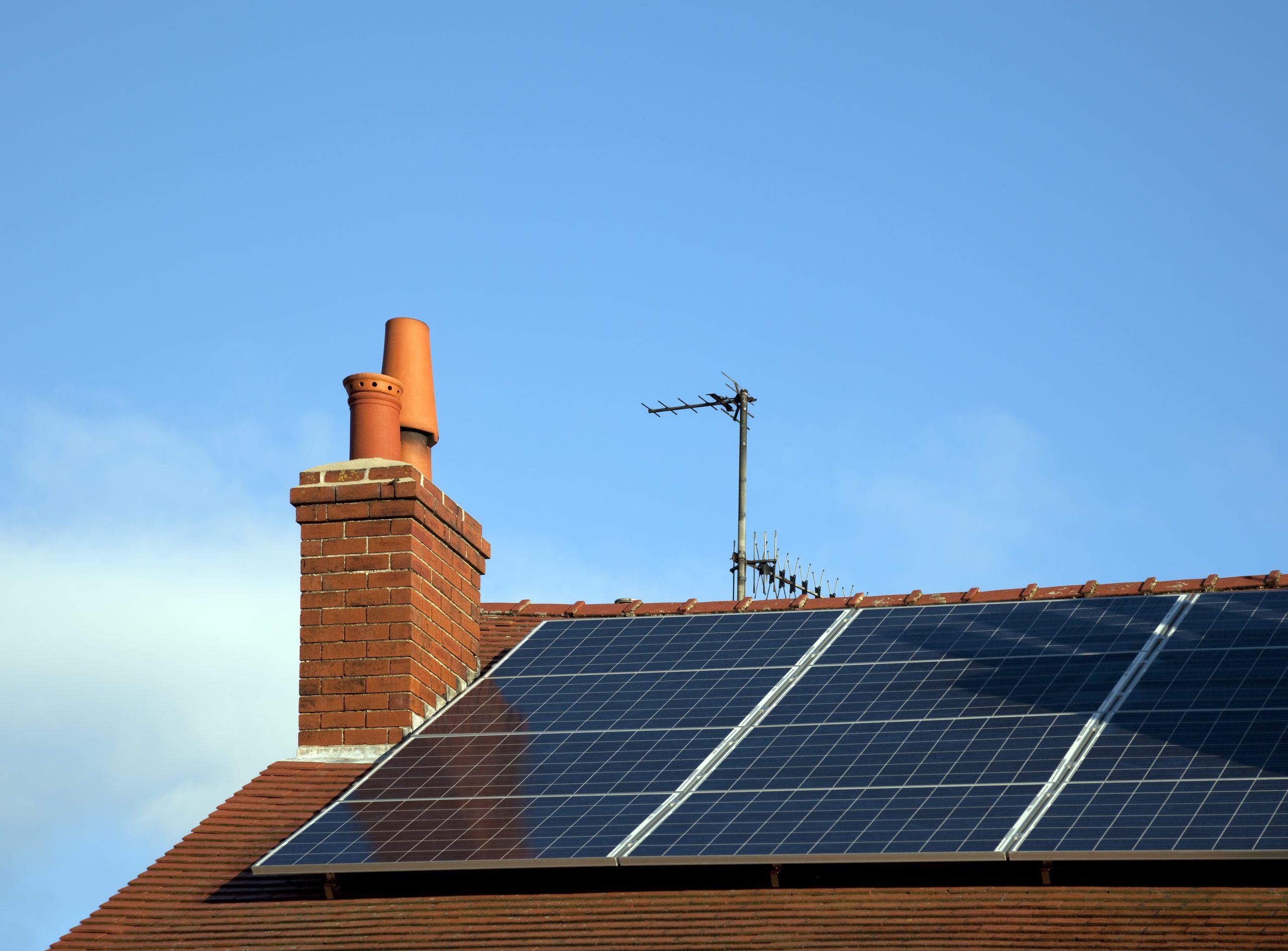
Battery storage lets you store excess energy generated by solar panels.
You can also use it to run a heat pump together with a smart time of use tariff.
Savings can be significant, but won’t always be enough on their own to justify the cost of the battery.
Solar panels don’t always generate electricity at the same time that you want to use it. And heat pumps and other electrical equipment don’t always use electricity when it’s cheap.
Batteries can get round this, by changing when you need electricity, and matching up with when electricity is cheap or freely available.
Here’s what you need to know about storage batteries.
News: how will the Warm Homes Plan impact battery storage?
The Warm Homes Plan is set to invest close to £15 billion in improving the UK’s homes to cut energy bills.
For people on low incomes, there’ll be fully funded government support to install battery storage. There’ll also be low and zero-interest loans available for homeowners regardless of income.
Home battery storage is usually used in combination with solar panels or a smart time of use tariff, or both.
You can use the battery to store any excess electricity generated by the panels, or you can charge it up when the tariff is cheap.
You can use this stored energy at night or when electricity prices are high, saving you money on your electricity bill.
Can I have a battery if I don’t have solar panels?
Yes, you can. In fact, a battery will save you more money if it’s running a heat pump than if it’s just exporting extra solar energy.
You can use the battery together with a smart time of use tariff to buy electricity when it’s cheap, and avoid the peak rates that some tariffs have.
You could do the same thing with regular electric heating too, though the battery you need would be three times as big (and three times as expensive).
How much battery storage do I need?
Battery storage capacity is measured in kilowatt hours (kWh) and a typical home system might be 10 kWh.
There’s no exact formula for working out what you need, but your installer will be able to advise you based on your needs and circumstances.
How big is a storage battery?
The size of a battery will depend on the make, model and what capacity you buy. However, a typical battery storage system is around 100cm x 60cm x 25cm. This is slightly taller and wider than a washing machine but much less deep.
How much does battery storage cost?
This depends on the type and size of battery you buy. It can range from £1,500 to £10,000, but the cost for a 5kWh battery system is around £4,600.
You should be able to save money by installing battery storage at the same time as solar panels. As the installers are already on-site, they’d be able to integrate the panels with the battery as part of the same job.
If you’re fitting a heat pump and your installer also provides batteries, there may also be some savings from fitting them at the same time.
Is battery storage worth it?
A battery system can be a great option for many homes.
As well as cutting your bills, it:
Makes you less reliant on the grid
Gives you more options as tariffs change
Means you’re doing your bit to make the country’s electricity system more flexible, resilient and low carbon.
However, the upfront cost of batteries can make it unrealistic for some homes. Read about our latest research into how electricity technologies and tariffs work together, and how much batteries are likely to save you.
A battery’s lifespan is shorter than solar panels, so you’ll need to replace it before the panels.
Also, using stored energy is less efficient than using energy directly from the grid or from your solar panels, so you’ll lose some energy by comparison.
The energy efficient house of the future
Battery storage plays an important part in shaping the homes of the future. Our experts look at how these future homes will dramatically cut your energy bills and carbon footprint.
This can vary depending on what battery storage you buy and how you use it. The typical lifespan of a battery is about 10 to 12 years.
Remember to ask about any warranties or guarantees for your battery and its installation.
What happens when the battery is full?
If your solar batter storage is full, there are a few things you can do depending on your needs.
If your battery storage is full, and you’re generating more solar electricity than you’re using then you can sell the surplus back to your energy supplier through a Smart Export Guarantee (SEG) tariff. This is just the same as would happen if you had solar and no battery – it just happens less often.
If you have a battery and no solar panels, you’ll stop charging the battery when it’s full, and discharge it when the next cheap tariff period ends. Your battery system will do this automatically for you.
What happens when the battery is empty?
When the battery gets down to a set level, maybe 20% of the total storage capacity, your system will stop taking electricity out of the battery.
You’ll then be back to using the grid (plus any solar generation you have) to run your appliances. The system should never let your battery discharge to zero, as this can significantly reduce the life of the battery.
Can I use my EV as a battery?
Generally not, but there’s potentially a way for this to happen in the future.
This is thanks to something called bidirectional charging, which lets an EV either draw or supply power to your home or the grid. This is currently being trialled in some places but isn’t widely available.
How do I install battery storage?
You should speak to an experienced professional about installing a battery storage system. They’ll need to connect the battery to the existing solar panel system (if you have one) and other systems that need it.
A battery can be installed in garages, on external walls or utility rooms, depending on which one you choose.
We recommended getting at least three quotes from installers who are certified with MCS to make sure you get the best value.
Get energy saving advice straight to your inbox
Sign up to Energywire, our monthly newsletter full of news, advice and tips on energy saving and renewable energy options.