Energy support

Which energy tariffs are best for renewable technology combinations?

Jamie Gibbs
Reviewed by
Jamie Gibbs
Content Manager

At a glance

  • The best tariff depends on your setup: heat pumps, solar panels, batteries and EVs each benefit from different tariff types.
  • Combining tariffs (like an export tariff with a dynamic or heat pump tariff) often gives you the best overall savings.
  • Dynamic and Economy 7 tariffs suit flexible energy use, while dedicated solar/battery or EV tariffs target specific technologies.

We’ve researched over a million tariff and technology combinations and found which types of energy tariff work best with certain technologies for saving money on energy. 

As we’re an independent, impartial organisation, we can’t recommend specific tariffs from energy suppliers. But we can show you the kinds of tariffs that work best, helping you make better choices when you’re looking to make the switch. 

Most of the tariffs we talk about here are smart time-of-use tariffs. 

Should I be on a smart tariff?

Smart time-of-use tariffs, or TOUTs, charge you a different rate for your electricity at different times of day. If you have gas heating they won’t affect your gas bill, and might not make a huge difference to your electricity bill either. But it’s worth making sure you’re on the best type of tariff to suit your system, especially if you’re: 

  • generating electricity from solar panels
  • storing electricity in a battery
  • running a heat pump

What are the main types of tariff?

Heat pump tariffs 

Heat pump tariffs have one or more cheaper periods of electricity during the day or night, and maybe an expensive period too. Mostly only available for homes with a heat pump. 

Economy 7 tariffs  

Economy 7 tariffs have one cheaper period of electricity during the night, and more expensive electricity during the day. They’re typically used with electric storage heaters but they’re available to anyone. 

Dynamic tariffs 

Dynamic tariffs charge a different amount every half-hour based on what it costs to generate electricity at that time. 

Solar/battery tariffs 

Solar/battery tariffs offer different rates at different times of day, both for buying electricity (importing) and for selling it back to the grid (exporting). You need solar panels and a battery to get this. 

EV tariffs  

EV tariffs offer one period of very cheap electricity in the early hours of the morning for you to charge an electric vehicle. 

Smart Export Guarantee (SEG) tariffs 

SEG tariffs offer a fixed rate for every unit of electricity that you sell back to the grid. These aren’t TOUTs because they stay on the same rate throughout the day, but you can use them alongside a TOUT. 

We can’t give you a detailed tariff comparison based on your actual energy usage. But we can give some tips based on what technology you have installed or are considering installing. 

If you need more help with this, ask a certified installer. They’ll have some experience of this, and some may know enough to give you good, bespoke advice based on your system. 

What tariff is best if I only have a heat pump?

If you have a heat pump, and no solar panels or battery, look for a dynamic tariff or a heat pump tariff. If you go for a heat pump tariff, choose one without a peak rate if possible. This is because you’ll often have to carry on running your heat pump during that expensive period, to keep your home warm. 

What tariff is best if I only have solar panels?

You’re probably best off looking for the best SEG rate export tariff. To get the best rate, you’ll need to switch to the same company for both import and export. Before making the switch, look at what import rate you can get from them – this probably won’t be a TOUT. 

What tariff is best if I only have a battery?

If you have this, then you’re best off with either a dynamic tariff or Economy 7. Not many people have this, as the savings you get are unlikely to pay off the cost of the battery. 

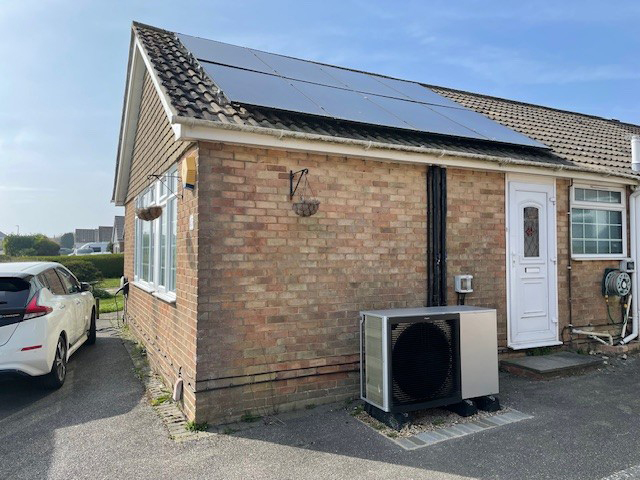
What tariff is best if I have a heat pump and solar panels?

The optimum here is to get a good SEG for your export and then either a dynamic tariff or a heat pump tariff for your import. The trick is that you’ll need to get both from the same company if you want a good SEG. So, make sure you look at what SEG is offered by companies that also offer dynamic and heat pump tariffs.  

You probably want to avoid a heat pump tariff that includes a peak rate. This is because you’ll often have to carry on running your heat pump during that expensive period to keep your home warm. 

What tariff is best if I have a heat pump and a battery?

Look for a good SEG for your export and then either a dynamic tariff or a heat pump tariff for your import. To get the best rate, you’ll need to get both from the same company.

You’ll probably do best with a heat pump tariff that includes a peak rate. This means you can use the battery to power your heat pump during that expensive period. You can also and to make the best use of the cheap periods by recharging the battery then. 

What tariff is best if I have solar panels and a battery?

For this combination you either want: 

  • A dedicated solar/battery tariff (which is designed for this combination) 
  • A good SEG tariff that you can match with a dynamic import tariff or an Economy 7 tariff.  

In our research, there doesn’t seem to be much difference between these options. 

What tariff is best if I have a heat pump, solar panels and a battery?

Look for a good SEG tariff for your exported electricity and then either a dynamic tariff or a heat pump tariff for your import. To get the best rates, you’ll need to get both from the same company. Look at what SEG rates are offered by the companies that offer the dynamic and heat pump tariffs.  

You’ll probably do best with a heat pump tariff that includes a peak rate. This lets you use the battery to power your heat pump during any expensive periods. You can then make the best use of the cheaper periods by recharging the battery then.  

If you can’t get a good SEG tariff from a company that also offers a good import tariff, consider a solar panel/battery tariff. This could be especially useful if your solar panel system is bigger than average or your heat pump is smaller than average. 

What tariff is best if I have an electric vehicle home charge point?

If you charge your electric vehicle at home, you can get an attractive rate for charging overnight, which will often be the best option for you. 

But if you have a heat pump too, then it’s worth looking at a heat pump tariff instead. This is because you won’t be able to use much of the EV tariff’s cheap rate electricity to run the heat pump. If you have an EV and solar panels,  you can probably find a good SEG tariff for export from a company that also provides an EV tariff for import. 

How do I make the most of my smart tariff?

Once you’ve chosen a tariff to go with, you need to understand when it charges at higher or lower rate. Then you can set your system up to make use of that. 

If you have a battery, that means setting the battery to charge up when electricity is cheap, and to discharge when electricity is expensive.  

If you have a heat pump or electric water heating,  set your water heating programme to heat the hot water cylinder when electricity is cheap.  

And if you have an electric vehicle, programme the charger (or the vehicle) to charge during the cheap rate period. 

If you’re not sure how to do any of this, ask your installer to help you. Your system may already have settings that are designed to match certain tariff types. It  may be able to adjust its operation match the varying price rates of a dynamic tariff. 

How it works in real life

Brian didn't just lead this research - he lives in a home with a heat pump, battery and solar panels.

Read Brian's story

Get energy saving advice straight to your inbox

Sign up for Energywire, our monthly newsletter, to get the latest energy tips, news and more.

Last updated: 19 October 2026