

Blog Post 1 May 2026

Moving house energy checklist

Andrew Northcott
Reviewed by
Andrew Northcott
Knowledge Manager
Brian Horne
Reviewed by
Brian Horne
Technial Knowledge Lead

At a glance

  • Give your energy supplier at least 48 hours’ notice before you move.
  • Take an initial meter reading the day you move into the new house.
  • Compare energy tariffs after you’re moved in to find a better a deal.

With all you need to think about when you move house, sorting out your energy might not be at the top of your list. 

But it’s good to be prepared. The last thing you want is to pay more than you need to for your energy in the new house. Or worse, find out you’re still paying for energy from your old house. 

This checklist should help you get things in order, so energy is one less headache when you’re moving home. 

We’ve split our tips to before, during and after the move. If you’re still in the process of looking at places, take a look at our energy saving house viewing tips.

Before you move

First, tell your current energy supplier that you’re moving. Citizens Advice recommends giving at least 48 hours’ notice, but the more notice you give, the better. This will give your supplier time to transfer your account to your new house (if offered), or to close your account.

If you’re on a fixed tariff, you might have to pay an exit fee. This usually doesn’t apply if you have fewer than 50 days left on your contract. If you move your tariff to the new house, exit fees don’t apply. 

Also, make sure you give them a forwarding address so they can send you your final bill. 

On the day you move out, take one final meter reading in the old house. You can use this in case the information on your final bill isn’t correct. It helps to take a photo of the meter reading for future reference. 

If you have a smart meter, leave the in-home display unit there for whoever will be moving in. 
How do I take a meter reading?

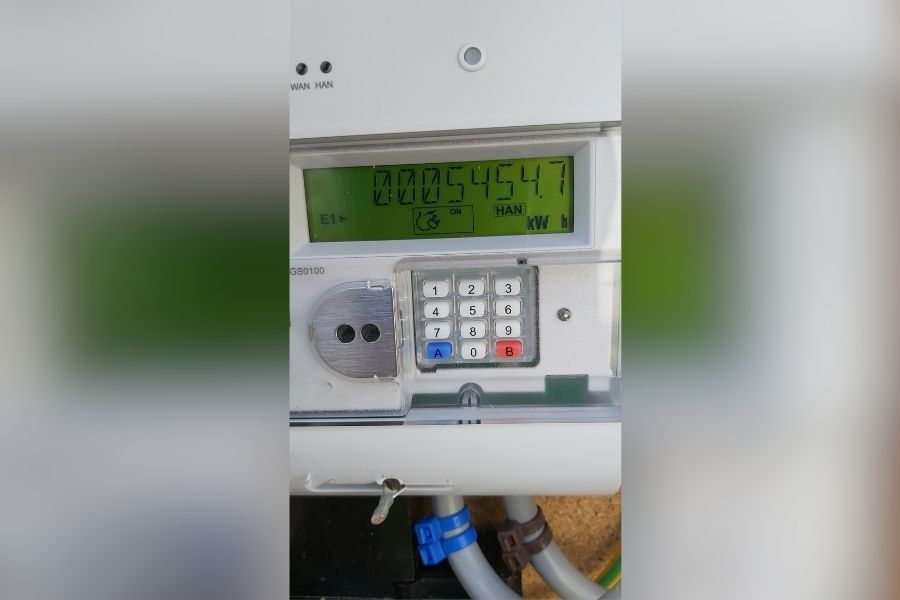
If your in-home display is lost or not working, you can get the reading from the meter itself. You can usually do this by pressing the ‘9’ on the keypad. Check with your supplier if you’re not sure what to do. 

On moving day

Once you’re in the new house, find the meters. If the house has electricity and gas, you’ll find two separate meters. If it has electricity only, there should only be one meter. Some common places to look are: 

  • on an outside wall 
  • in the hallway 
  • under the stairs 
  • in the garage
  • in a utility cupboard 


Close up of a smart electricity meter showin a reading and keypad.

When you find your meters, take a meter reading as soon as you can. This will help make sure your first bill is accurate. 

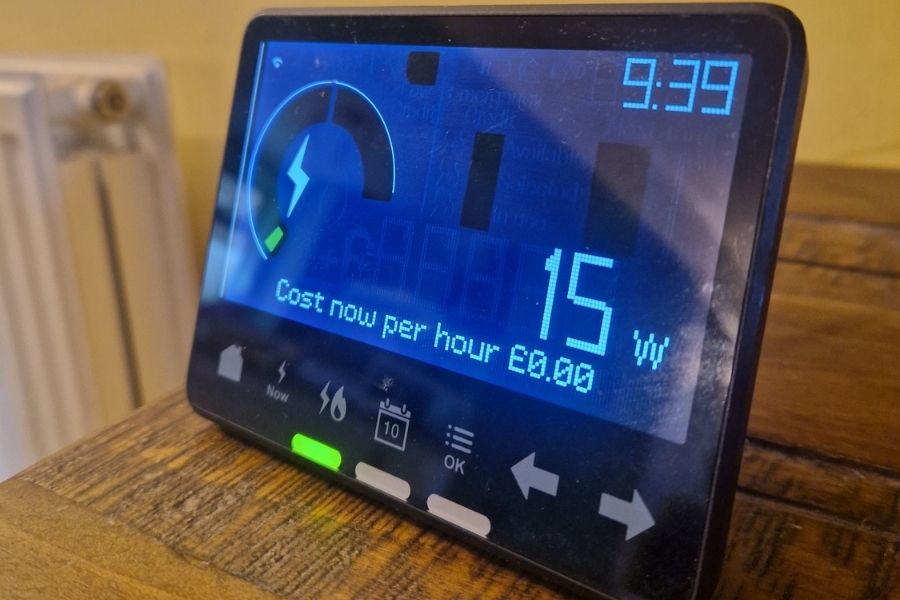
The new house may have a smart meter. If it does, check that it’s set to ‘smart mode’ so it sends regular readings to the energy supplier. The meter should be in ‘smart mode’ if you can see your current energy use on the in-home display unit. The display might call it ‘usage now’. 


Smart eter in-home display unit showing current electricity usage in

When you move in, whoever supplied energy to the previous owners will automatically become your supplier. You’ll be on a ‘deemed’ tariff, which is usually the same as its standard variable tariff (and often the most expensive). 

If the previous owner hasn’t told you who these suppliers are, you should get a letter from them to let you know. 

How can I find my new electricity provider?

You can find your new electricity provider by calling your local network operator. Find your local network operator by entering your postcode in Energy Networks Operator website. 

How can I find my new gas supplier?

You can find your new gas supplier by entering your postcode in the Find My Supplier tool and selecting your address.

What do I do if my new house has a prepayment meter?

Speak to the new supplier before you top up the meter. Otherwise, you might end up paying for energy the previous owners used. 

The supplier can send you a new prepayment card / key and advise you on what to do next. 

After you move

Once you’ve had that celebratory cuppa, it’s time to make sure you’re not paying more than you need to for your energy. 

Once you find out who suppliers your gas and electricity, speak to them and give the initial meter reading from the day you moved in. You can also ask them about what their best energy tariffs are. 

It’s a good idea to compare gas and electricity tariffs from different suppliers to make sure you’re getting the best deal. Ofgem has a list of accredited price comparison sites that you can use. 

For more information about getting a better deal, read our guide to switching energy supplier

If your new home doesn’t have a smart meter, ask your new supplier about installing one at no upfront cost. 

If you didn’t transfer your energy tariff from your old home, your final bill from your old supplier will eventually come. You usually make a single final payment to close the account. 

I’ve moved into a house that has solar panels. What do I do?

Here are some quick checks to make: 

  • If you bought the house, check whether you now own the panels or whether they belong to a private company. Your solicitor should have found this out during the sale. 
  • Find out if the panels get payments from the old Feed-In Tariff scheme. Check with previous resident or check with energy supplier.
  • Get the system checked by a certified installer. This will help reassure you that the system has been properly installed and is operating correctly and safely. 

For more information, read our guide to buying a house with solar panels

I’ve moved into a house that has a heat pump. What do I do?

If your new house has a heat pump, you should: 

  • Look for manuals and service documents from the previous owner and find out when the heat pump last had a service. Heat pumps should get a service once a year. 
  • Ask if the previous owner or landlord can show you how the heat pump works and how to operate it. Ask for recommendations on what they think a suitable heating pattern is.
  • Check that the system is running and the house is getting warm. 
  • Check if the heat pump has an MCS certificate. 

We have more tips on our guide to moving into a house with a heat pump

Get our monthly newsletter for more advice

Sign up to Energywire, our monthly newsletter full of news, advice and tips on energy saving and renewable energy options.

Sign up to our newsletter

Latest blogs

Go to blog

Heat pump tumble dryers and the new tumble dryer energy labels in Northern Ireland

20 May 2026

New energy labels for tumble dryers came into effect in Northern Ireland on 1 July 2025. Here’s what you need to know.

Measure, Plan, Act: a practical framework for delivering Net Zero in business

22 June 2026

How the Measure, Plan, Act framework can help get you to corporate net zero.

Moving house energy checklist

1 May 2026

You should give your energy supplier at least 48 hours’ notice before you move. We walk you through what to do before…

Categories:

Last updated: 1 May 2026