Blog Post 13 August 2026

Solar power fact check: shining a light on the truth

Andrew Northcott
Reviewed by
Andrew Northcott
Knowledge Manager
Joanna O’Loan
Reviewed by
Joanna O’Loan
Knowledge Manager

At a glance

  • Solar panels generate clean electricity from daylight - even on cloudy days.
  • Most homes don’t need planning permission to install solar panels as they’re ‘permitted developments.’
  • Solar panels can pay for themselves over time by reducing electricity bills and through the Smart Export Guarantee.

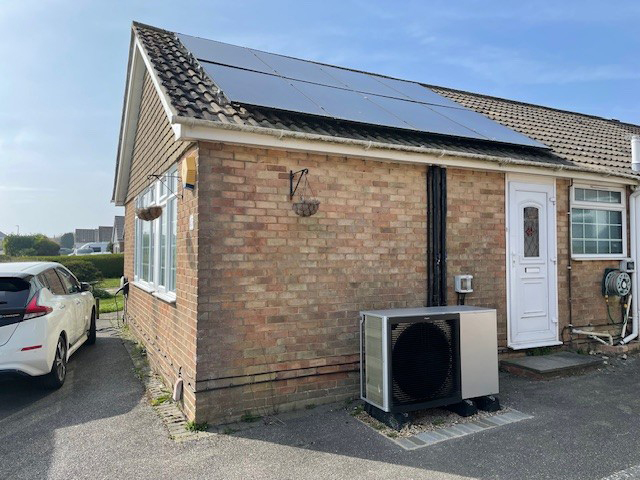
Solar panels take the sun’s energy and convert it into electricity to power your home. And with nearly 1.7 million installations on homes across the UK, they’re a common sight on many roofs.

But we still see misinformation about solar power. They’re a worthwhile option despite the stereotypes about UK being cloudy. And they can be installed without hassle in most cases.

Read on to get the facts about solar power. There’s even an opportunity to test what you’ve learned at the end.

Will solar panels work on cloudy days?

Yes – while solar panels work best in direct sunlight, they still generate electricity on cloudy days.

That’s because solar panels absorb energy from the light spectrum visible to us and wavelengths that can pass through clouds.

You can also install battery storage to store the extra energy created during the day. You can then use this stored energy at times when you generate less energy (like at night).

Find out more about battery storage. 

Are solar panels too expensive to be worthwhile?

While it does currently require an upfront cost, solar panels can help you save money and pay for themselves in time. However, at the moment the payback period is about 10 to 12 years.

The cost of installing solar panels varies depending on:

  • where in the UK you live
  • the installer you choose
  • the panels you want

A typical solar system can cost around £6,100 to install. Once installed, a solar panel system can pay for itself in at little as nine years.

To get an idea of how much a solar panel system could cost and how much you could save, try our solar panel calculator.

The UK Government’s Warm Homes Plan includes plans for grants and loans for solar power too, which could make it even more affordable.

After the initial installation you can expect your solar system to last for 25 years. Usually, the manufacturer’s warranty will cover any faults with your solar panels. But always check this is in place and how long it lasts before going ahead with your installation.

During this time, you should maintain your solar panel system regularly. You’ll also need to change the solar panel inverter after about 10 to 12 years.

You can expect to pay around £800 to replace your inverter, depending on the size and manufacturer of your system.


What’s a solar panel inverter?

Solar panel inverters transform the electricity the panels make to electricity you can use in your home.

Solar panel systems generate direct current (DC) electricity. The electricity used for household appliances is alternating current (AC), so an inverter is installed along with the system to convert DC electricity to AC.

Can I get paid to export excess energy from my solar panels?

Yes. When your solar panels generate more electricity than you can use or store, you can sell the surplus back to the grid. This is through the Smart Export Guarantee (SEG).* This helps you reduce your energy bills even further and speed up the payback time for your installation costs.

The amount of money you can get from the SEG depends on:

  • the size of your solar panel installation
  • the direction of your roof
  • where you live
  • if you’re often at home during the day and using energy
  • if you store energy in a battery 

Find how much solar panels could help you save on your energy bills.

*SEG is only available in England, Scotland and Wales. If you live in Northern Ireland, it’s worth exploring what export tariffs energy suppliers offer.

Is solar installation a lot of hassle?

No. Most solar panel installations are completed within one or two days. Some larger more complex jobs could take a little longer, but your installer will be able to let you know after an inspection. 

Your installer should be certified by the Microgeneration Certification Scheme (MCS), which provides a full list of installers online. An MCS certification demonstrates that your installer provides a high standard of installation, adhering to all the latest industry standards. 

We recommend getting quotes from at least three certified installers to help you get the best deal.

“The disruption wasn’t significant."

"It only required the power to be off for a very short period of time when the final connections were made.”

Read Tim’s story

Do I need planning permission to install solar panels?

Usually not – a solar panel system is considered ‘permitted development’. This means you usually don’t need planning permission to install one on a house. However, exceptions can apply (for example, listed buildings), so it’s always best to check with your local planning office first.  

If you own a flat within a building, you’ll need to get permission from the relevant authority such as the building management company.

If you live in a rented home, you’ll need to speak to your landlord about installing solar panels.

Once your solar panel system is installed, it needs to be  registered with your Distribution Network Operator (DNO). Your installer will usually register your system for you.

FAQs

Take our solar myth quiz

So, do you feel more confident about solar energy? Test your knowledge with our quick solar quiz.

Get energy advice straight to your inbox

Sign up to Energywire, our monthly newsletter, to get the latest energy tips and news delivered to your inbox.

Sign up to Energywire

Categories:

Last updated: 13 August 2026