Blog Post 19 October 2026

Warm Homes Plan: how the UK’s biggest home upgrade programme could cut your energy bills

Emma McKelvie
Reviewed by
Emma McKelvie
Policy and Communications Officer (former)

At a glance

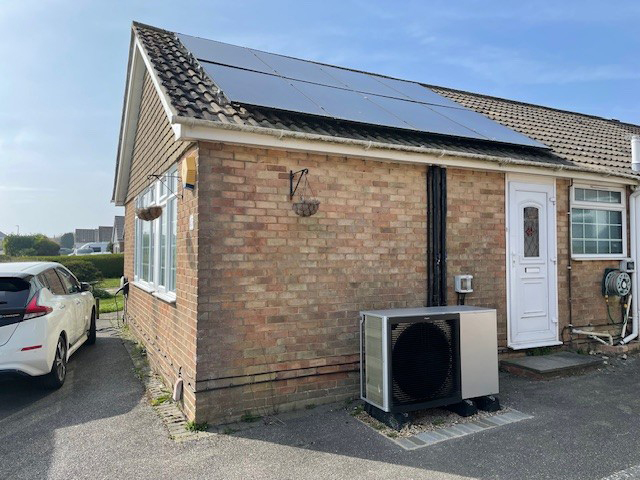
  • Low-income families can get grants to install solar panels, heat pumps and other energy efficient improvements.
  • Homeowners will be able to access low and zero interest loans to fund home energy upgrades like solar panels.
  • New standards will be put in place to upgrade homes for renters.

The UK Government has launched its Warm Homes Plan, which aims to tackle high energy bills and fuel poverty across the UK. The Plan is set to invest close to £15 billion, making it the biggest energy efficiency initiative in British history.

The Plain aims to upgrade up to five million homes by 2030, particularly helping: 

  • low-income families 
  • renters 
  • social housing tenants 

Our policy experts have looked at what details are available to find out what the Warm Homes Plan means for you and your energy bills. 

Fully funded government support for low-income families

Low-income and fuel poor families will be able to get full, UK Government-backed grants for: 

The Warm Homes Plan marks a major step towards permanently reducing energy bills for those who need it most. The funding packages available for solar panels and a battery, for example could be worth around £9,000 to £12,000 per home (based on current costs). 

The focus for this Plan is to lower bills for people in fuel poverty. And given that the upfront cost of making these low carbon technologies is a sizable barrier, this is a welcome announcement. 

The UK Government aims to lift up to one million homes out of fuel poverty through this initiative. It estimates that these improvements could bring down energy bills by up to £850 a year compared to a gas boiler with no other upgrades.

This is based on a three-bedroom detached house that has: 

  • Installed a heat pump, solar panels and battery storage. 
  • Switched to a time of use tariff and charges the battery during off-peak hours. 

Actual energy bill savings will depend on your house type and circumstances. 

Low and zero-interest loans for homeowners regardless of income

The Warm Homes Plan aims to ensure that everybody has access to support to install measures that will bring down their energy bills. 

Through a Warm Homes Fund, homeowners will have access to low and zero-interest loans to cover the costs of installing: 

  • solar panels
  • battery storage
  • heat pumps
  • smart controls
  • home insulation
  • draught proofing 

If you live in England or Wales, you’ll still be able to take advantage of the Boiler Upgrade Scheme. This scheme offers £7,500 off the cost of a heat pump.

Currently, there’s no additional support in England and Wales to cover the remainder of the upfront cost. And a common question we get from many people is ‘My income puts me out of reach for most government support. What can I do?’ 

This announcement makes these changes much more realistic for everyone, bringing low carbon homes with low energy bills much closer to reality. For example, the UK Government expects that the number of rooftop solar panel systems could triple by 2030.

Updated standards for renters to cut their energy bills

One of the biggest challenges for renters is that installing home upgrades is often the responsibility of their landlord. And for landlords, there’s not much incentive to invest in these kinds of upgrades as they don’t directly benefit from the energy bill savings. 

There’s also the issue that many private accommodations often suffer from cold, damp and mould. 

The Plan aims to address this by introducing standards for renters to ensure that they can live in homes that are safe, warm and affordable. 

Part of this includes requiring landlords to make the upgrades needed to improve these homes. They’ll need to get their properties to an Energy Performance Certificate rating of C by 2030, spending up to £10,000 to make the necessary upgrades. 

It’s estimated that this will lift 400,000 families in private accommodation out of fuel poverty by 2030. 

The UK Government is also consulting on new standards for the social housing sector. 

Now that the Plan is published, the priority must be rapid, scaled‑up delivery so households across the UK can feel the benefits of clean power as soon as possible. Stew Horne, group head of sector intelligence and external affairs

Low carbon technologies ‘the foundation of a cheaper, cleaner energy future’

Our group head of sector intelligence and external affairs Stew Horne said: 

“For households looking to upgrade their homes, tackling high upfront costs is a key challenge. It’s positive that the Boiler Upgrade Scheme will continue to support people to install low carbon heating.

“Confirmation of UK Government backed low and zero interest loans through the new Warm Homes Fund is another significant step towards making home upgrades more affordable. By reducing upfront costs and driving demand for wider improvements, these loans will enable many more households to maximise their savings.

“Low carbon technologies are the foundation of a cheaper, cleaner energy future and are what will ultimately bring bills down permanently. Now that the Plan is published, the priority must be rapid, scaled‑up delivery so households across the UK can feel the benefits of clean power as soon as possible.” 

Read our full response to the Warm Homes Plan. 

When can I get funding?

The UK Government hasn’t yet said when these grants and loans will be available, only that it will give more detail later this year. 

We’ll keep this page up to date when we get more information.

For more information on what financial support is currently available. 

What about people in Scotland, Wales and Northern Ireland? 

While many energy schemes have been limited to specific regions in the past, this isn’t the case with the Warm Homes Plan. 

The UK Government has made specific allocations from the £15 billion budget for Scotland, Wales and Northern Ireland. This ensures that homes across the entire of the UK will benefit. 

For more information on what support is currently available, visit: 

What we still want to see from the Warm Homes Plan

While this announcement is a welcome step towards bringing energy bills down long term, there are still some things we’d like to see. 

Reducing the cost of electricity

In the 2025 Autumn Budget, the UK Government confirmed it would take steps to reduce home energy bills by an estimated £150 per year.

This went some way to reducing the cost of electricity, which has typically been three to five times more expensive per unit than gas. 

The high cost of electricity means that the savings from switching to a low carbon heating system may be too low to justify the investment.

We want to see more detail on how the UK Government intends to take action to bring down the cost of electricity. This is crucial to incentivise people to make the switch and feel the benefits of cheap, clean electricity.

Further details on the new Warm Homes Fund

The Plan confirmed that a new £5 billion Warm Homes Fund (WHF) will be set up to support the delivery of home upgrades. This will include low and zero interest loan offer for homeowners.

However, the UK Government hasn’t set out how they intend to spend the rest of the funding. The Plan indicated that this could go towards loans for: 

  • local authorities 
  • bulk buying initiatives 
  • community and co-operative led models 

The UK Government is intending to consult on options for the WHF later this year. We hope to see further details on how this funding will be rolled out to quickly support home upgrades.

Further details on the new Warm Homes Agency

A new Warm Homes Agency (WHA) will be set up to support people looking to upgrade their homes. The WHA is set to deliver impartial advice from 2027 online and through a national phoneline. This will be critical to giving people the confidence to make changes to their home.

It’s expected to give advice nationally and locally, as well as increase awareness of home upgrades. However, some details are still unclear: 

  • What’s the scope and scale of the new Warm Homes Agency?
  • What’s the extent of the advice it will provide? 
  • How will it work with local and devolved governments?

This is, however, a significant step forward towards delivering our key policy ask of setting up a national advice service for England. We look forward to hearing more about the WHA’s role. 

Get our monthly newsletter for more advice

Sign up to Energywire, our monthly newsletter full of news, advice and tips on energy saving and renewable energy options.

Sign up to our newsletter

Last updated: 19 October 2026