


Making your home more energy efficient doesn’t have to cost a lot. While projects like home insulation or solar panels require more investment, there are several, smaller energy efficient DIY projects that are faster and less expensive.
Some of these tips talk about adding draught proofing to your home. If your home is already fairly well draught proofed, adding more draught proofing may increase the risk of poor air quality. If in doubt, check with a professional. For more information, read our guide on ventilation.
Energy efficient DIY projects
Add radiator reflector panels
Radiator reflector panels or foil fit behind your radiators and work best with those that are on uninsulated external walls. The panels bounce heat from the radiator back into the room rather than letting it be absorbed into the wall.
They cost £13 to install and could lower your heating bills by £25 a year in Great Britain (GB) and £20 in Northern Ireland (NI).
Draught proof your chimney
If you have an open chimney, you’ll be losing some of your home’s heat up that big open space.
You can buy a chimney draught excluder for around £25.
To make sure you still get enough ventilation, they shouldn’t fully block the chimney. Many chimney draught excluders are removable, so this can be a great option if you also plan to use your fireplace. You must remember to remove the draught excluder again before lighting a fire.
Chimney draught excluders could lower your heating bills by £60 in GB and £60 in NI.
For more information, read our advice on draught proofing.
Replace your bulbs with LEDs
If your lightbulbs haven’t needed replacing, you might not have even given them much thought. You probably don’t have any traditional filament bulbs left, but if you’re still using halogen spotlights you might be wasting a lot of electricity.
Upgrading all your halogen lights to energy efficient LEDs costs around £180. But doing so saves you £45 a year in GB and £55 in NI. Given that a typical LED bulb can last well over 10 years, that’s a lot of savings to be had. For more tips, check out our advice on energy efficient lighting.
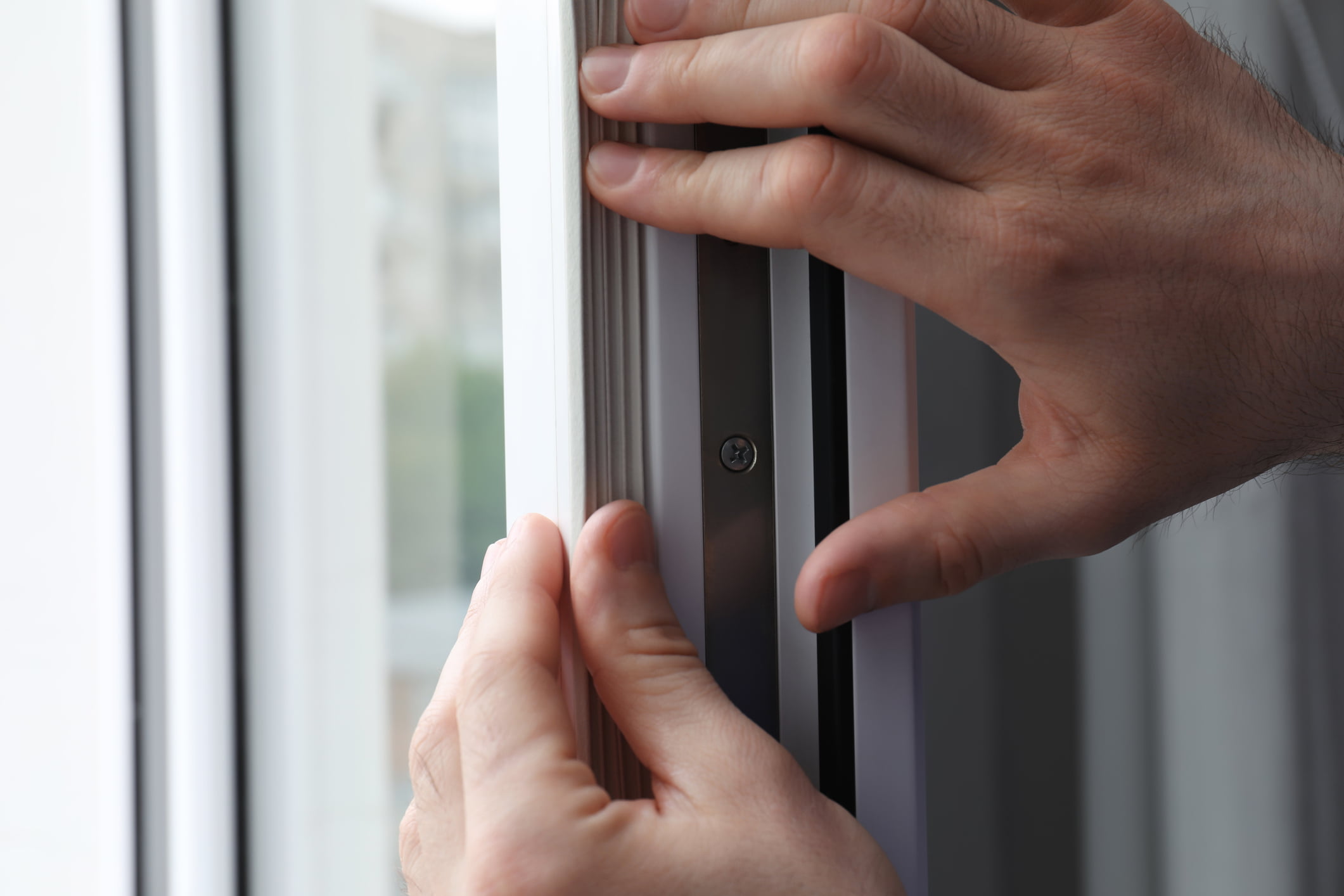
Draught proof any draughty windows and doors
If you have modern windows and doors with seals on the openings, then they might already be draught proofed enough. But old doors and windows may not be.
Professionally installed draught proofing is likely to cost around £230. But you can make often fit draught proofing yourself, for a fraction of the cost.
You can pick up draught proofing strips for your windows and doors for around £2 a metre.
You shouldn’t seal any trickle vents, ventilation grilles or wall vents. These are designed to let in a small amounts of air into your rooms for ventilation.
For more information, check out our advice on draught proofing.
Bleed your radiators
Trapped air in your radiators may make them less effective at heating your home. If you compensate by turning the heating up or adjusting the boiler thermostat this could lead to wasted energy increased heating bills.
You can pick up a radiator key for around £3 at your local DIY shop. The summer months are a good time to bleed your radiators: your heating is more likely to be off for several hours at a time. Make sure the radiators are cool before you bleed them.
To bleed your radiators:
- Lay an old towel under the pipes and place a bowl or jug under the bleed valve.
- Insert the radiator key into the valve and slowly give it a quarter or half turn. As air escapes, you’ll hear a hissing sound.
- Once the hissing sound stops or water begins to pour out, close the valve.
- If you have a combi boiler (one with no hot water cylinder) you may need to top up the water pressure after bleeding the radiators. There’s usually a short length of flexible pipe with a tap at each end, and a pressure gauge on the boiler itself. If the gauge is in the red, open the two taps to let more water in until you’re back in the green, then turn off both taps.
- You may want to check for air again next year. Check it sooner if the tops of any radiators get cold or you hear a lot of gurgling in the pipes.
Install tap aerators in your kitchen and bathroom
Tap aerators cost around £5 each and screw into your existing taps. These devices are full of small holes that mix air into the water that comes from the tap.
This helps reduce the amount of water coming out of the tap without any noticeable effect on the water flow. Doing this in your kitchen could save you around £20 a year in GB just in energy bills, and £18 in NI.
For more tips, read our blog on saving water at home.
Install a hot water jacket
If you have an uninsulated hot water tank, you’re wasting loads of energy heating water that then cools down before you use it. Even if you have some basic tank insulation you could save energy by adding more.
Adding extra insulation to a poorly insulated hot water cylinder costs around £18, but saves you £40 a year in GB and £40 in NI. Aim to top up to 80mm thick for the best insulation.
Check out our other tips on insulating your water cylinder and pipes.
Add a letterbox draught excluder
If you have a draughty letterbox you could draught proof it by getting a letterbox draught excluder for around £5, and they usually feature a brush or flap to close off the letterbox. Make sure you measure your letterbox beforehand, though.
While you’re at it, you could fit a keyhole cover to a keyhole to reduce draughts through the there too.
Heat pump tumble dryers and the new tumble dryer energy labels in Northern Ireland
New energy labels for tumble dryers came into effect in Northern Ireland on 1 July 2025. Here’s what you need to know.
Measure, Plan, Act: a practical framework for delivering Net Zero in business
What is Measure, Plan, Act and how can it help get you to corporate net zero?
Moving house energy checklist
You should give your energy supplier at least 48 hours’ notice before you move. We walk you through what to do before…