Energy at home

Community energy explained

Community energy is all about people coming together, taking action and using local resources to reduce, manage or generate their own energy.

Are there public buildings in your community like schools or sports clubs that could have solar panels on the roof? Or do you have a natural resource nearby, like a river or a windy hilltop? You could use those to generate electricity with a hydroelectricity project or a wind turbine.

A community energy project can happen anywhere, from remote villages to city neighbourhoods. And it doesn’t have to involve large-scale renewable energy installations, either. For example, you could run an awareness campaign about energy efficiency to help people in your local area.

What are the benefits of community energy?

Community energy has huge potential in reducing the nation’s carbon footprint and reaching net zero. Community-owned renewable energy projects can help reduce the UK’s reliance on fossil fuels by generating clean, low carbon electricity.

One of the best things about community energy projects is that, because they’re owned by the community, you feel the benefits locally. Benefits to the community include:

  • Creating a connection between the community and their renewable energy project, so they feel empowered.
  • Inspiring the community to work together and solve other local issues, like improving transport connections.
  • Taking positive action to tackle the climate emergency, showing everyone that positive change is possible.
  • Lower energy bills and more income to fund local projects.

How do I get involved in a community energy project?

Are you ready to start using the power of your community to experience the benefits of generating your own energy? You can get support and advice on:

  • setting up groups
  • conducting feasibility studies
  • financing projects

Depending on where you are, you can find more information about community energy projects in your area from these organisations and schemes:

For more information, see how how we can support your community energy project.

How do I get funding for my community energy project?

If you’re looking for funding for your community energy project, there are a few programmes available:

Great Britain: Ofgem Energy Redress Scheme

We run the Ofgem Energy Redress Scheme in England, Scotland and Wales. The programme collects funds from companies that have breached energy rules and redistributes them to charities and community groups.

Part of the programme is the Just Transition Fund, which is which is helping to develop up to 110 megawatts (MW) of renewable energy capacity.

Wales: Welsh Government Energy Service

The Welsh Government Energy Service supports community and public sector organisations in Wales to transition to net zero. The programme is funded by the Welsh Government and delivered by a consortium led by us and Carbon Trust, with support from local partnerships.

Scotland: Community and Renewable Energy Scheme

In Scotland, we’re a partner in the Local Energy Scotland consortium alongside Changeworks, the Energy Agency and Scarf. The consortium manages the Scottish Government’s Community and Renewable Energy Scheme (CARES).

Examples of community energy projects

There are many rural areas that have wind turbine and hydroelectricity projects. These let more remote communities make the most of their natural resources to become more self-sufficient.

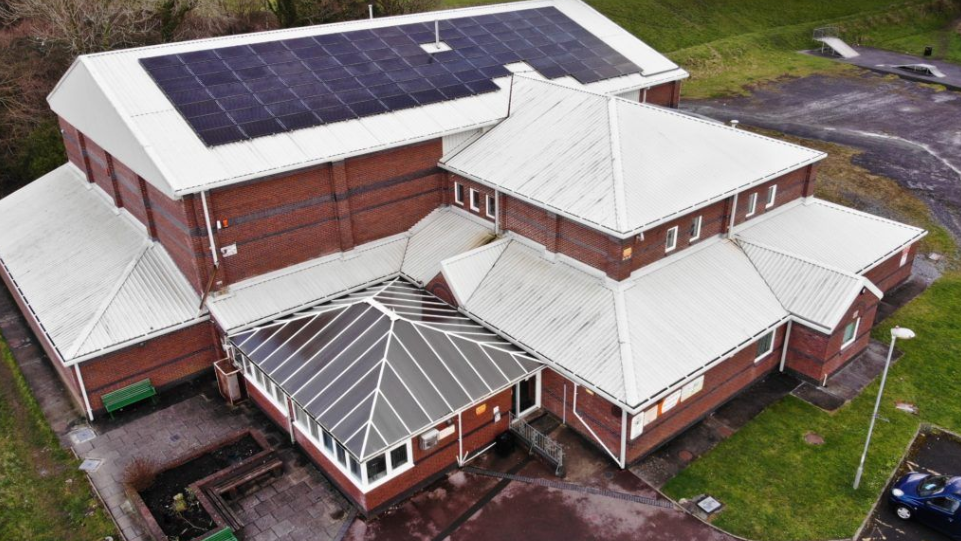
But more communities in urban areas are developing renewable energy projects too. For example, by putting solar panels on the rooftops of public buildings to improve their neighbourhood.

We support community energy projects through the programmes we deliver for Ofgem, the Welsh Government and the Scottish Government. 

Here are some examples from across Great Britain of community energy projects we’ve helped with through different programmes.

The Hammersmith and Fulham Community Energy Group at an event in a hall, watching a powerpoint presentation.

Urban community solar power for Londoners

Funded by Energy Redress, this project by Repowering London will unlock community-owned rooftop solar panel sites across four London boroughs:

  • Southwark
  • Hammersmith & Fulham
  • Newham
  • Barnet

In each of these boroughs, a local energy co-op will develop their rooftop solar project in an otherwise challenging urban context. We’ve seen that London boroughs have the lowest concentration of solar panels in the UK due to a high percentage of flats and a low degree of home ownership.

These projects will use funding from the scheme to assess the technical, financial, and social feasibility for solar panel sites. 

The portfolio of rooftop solar sites developed through this project will ultimately generate 1,680 megawatt hours (MWh) of electricity every year. Over the lifetime of these installations, the sites will save an estimated £77,000 on energy bills.

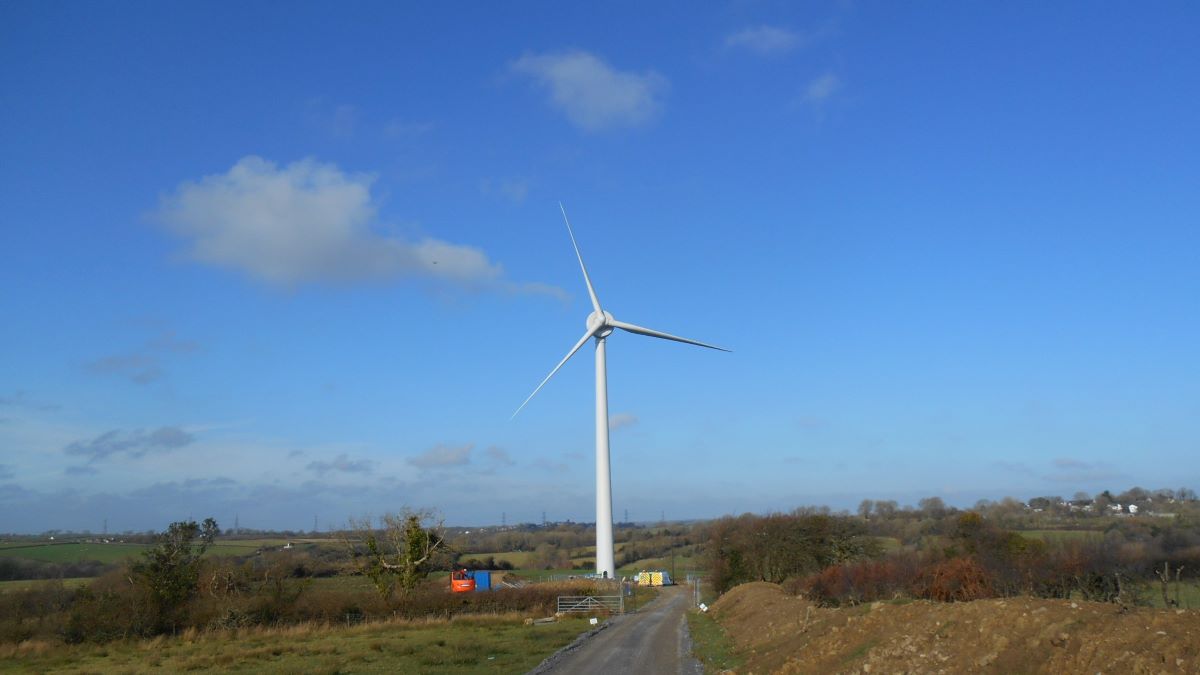
A wind turbine in Wales against a blue sky with a few clouds

Wind turbines across Wales

The Welsh Government Energy Service has supported community groups in PembrokeshireCarmarthenshire and Neath Port Talbot to install wind turbines. These provide enough clean energy to power thousands of homes every year.

Support involved conducting feasibility studies and helping with buying land and planning permission.

The Welsh Government Energy Service also provided support with accessing the (now closed) Feed-in Tariff Scheme. This means the communities get a secure income from generating renewable electricity – income that can be reinvested in other local projects.

6,000 solar panels in Newport

Working with community organisation Egni Co-op, the Welsh Government Energy Service supported the installation of 6,000 solar panels on the rooftops of public buildings across Newport. These included schools, care homes and a council .

These solar panels have the potential to lower the council’s carbon footprint by 348 tonnes of CO2 a year.

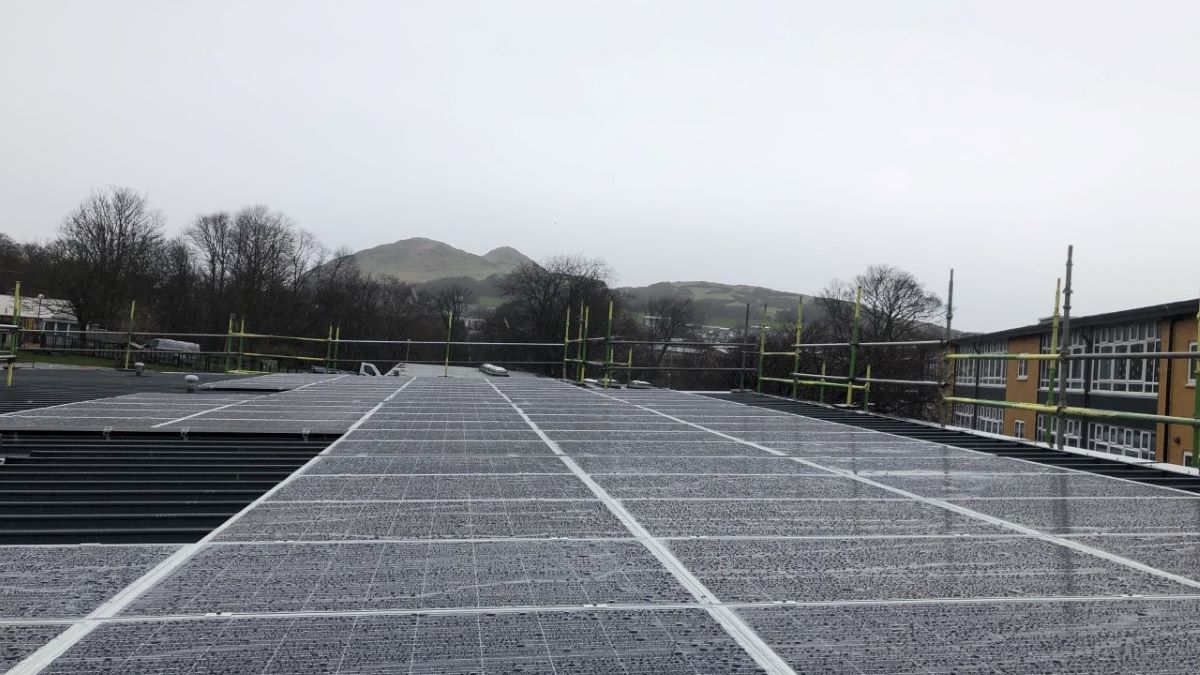
Solar panels being installed on the roof od a school in Scotland, surrounded by scaffolding.

Solar panels at an Edinburgh school

The Community and Renewable Energy Scheme (CARES) supported Friends of Duddingston Primary School to install 30KW of rooftop solar panels, reducing the school’s energy bills and its carbon footprint.

CARES provided funding through a development loan and offered support with accessing the Feed-in Tariff Scheme. This let the school sell extra energy to the grid and generate £40,000 in extra income over 25 years.

This income will be used to benefit the school and the wider community, improving the school grounds and enabling pupils to take part in activities. Isla, a student at Duddingston Primary School said: “I’m really happy we are doing something at school that will make an actual difference.”

Greener community centre in Fife

With support from CARES, the development trust Greener Kirkcaldy kitted out their community centre with 19.2 KW of rooftop solar panels. It also installed a battery energy storage system and an electric vehicle charging point.

The project cuts CO2 emissions by 6.4 tonnes and saves £1,850 in energy bills every year. And with 12,000 annual visitors to the centre’s cookery school, café and events space, it shows the power of renewable energy to the community.

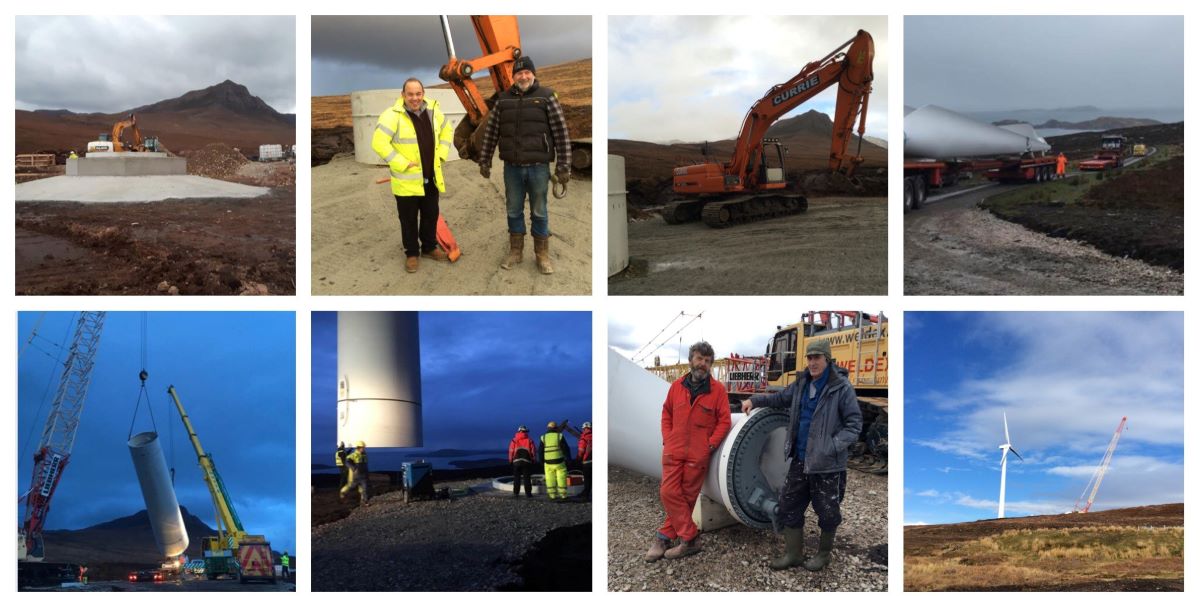
Wind turbine in the Highlands

CARES provided funding and support to the Coigach Community Development Company in the installation of a 500kw wind turbine. Through the Feed-in Tariff Scheme, it has generated around £500,000 in three years for community projects

During the Covid-19 pandemic, this income was used to provide immediate financial support for local families, whose tourism livelihoods had disappeared overnight.

Energy Saving Trust is authorised and regulated by the Financial Conduct Authority (716195) and delivers the CARES Development Fund mentioned on this page via Local Energy Scotland on behalf of Scottish Government. Loans are subject to eligibility and terms and conditions.

Latest blogs

Go to blog

Heat pump tumble dryers and the new tumble dryer energy labels in Northern Ireland

20 May 2026

New energy labels for tumble dryers came into effect in Northern Ireland on 1 July 2025. Here’s what you need to know.

Measure, Plan, Act: a practical framework for delivering Net Zero in business

17 April 2026

What is Measure, Plan, Act and how can it help get you to corporate net zero?

Moving house energy checklist

1 May 2026

You should give your energy supplier at least 48 hours’ notice before you move. We walk you through what to do before…

Last updated: 19 February 2026